Commercial Dishtables
Browse more than 1,500 commercial dishtables from Eagle Group, John Boos, Advance Tabco and BK Resources, including soiled tables with pre-rinse sinks, clean tables, straight, L-shaped and corner layouts, and undercounter and pot sink models. Complete the dish room with dishtable parts and accessories, equipment stands for warewashing, disposer tables and dishwashers.
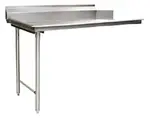
- View Product: Eagle CDTR-48-16/3 Clean Dishtable$1,095.95
- View Product: CMA Dishmachines CL-48 Clean Dishtable$879.00
Call us for pricing
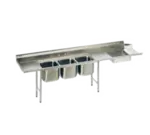
- View Product: Eagle SDTPL-124-14/3 Spec-Master Soiled Dishtable/3-Compartment Pot Sink$6,398.31
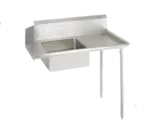
- View Product: BK Resources BKSDT-26-R Soiled Dishtable$482.47
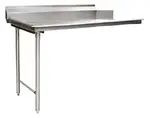
- View Product: Eagle CDTL-60-16/4-X Clean Dishtable$811.69
- View Product: BK Resources BKSDT-26-L Soiled Dishtable$482.47
- View Product: Eagle SDTR-48-16/4-X Soiled Dishtable$1,060.22
- View Product: BK Resources BKSDT-60-R-SS Soiled Dishtable$735.14
- View Product: Advance Tabco DTS-S70-60R Straight-Soil Dishtable$1,756.00
- View Product: BK Resources BKSDT-60-L-SS Soiled Dishtable$735.14
- View Product: IMC/Teddy SCDT-24-16 Dishtable$940.00
- View Product: Advance Tabco DTS-S70-60L Straight-Soil Dishtable$1,756.00
- View Product: BK Resources BKSDT-36-L-SS-P2-G Soiled Dishtable$956.06
- View Product: IMC/Teddy SCDT-36-16 Dishtable$1,078.00
- View Product: Advance Tabco DTC-S70-60R-X Dishtable$695.10
- View Product: BK Resources BKSDT-26-L-SS-P3-G Soiled Dishtable$985.95
- View Product: IMC/Teddy SCDT-48 Dishtable$1,341.00
- View Product: John Boos EDTS8-S30-L72-X Dishtable$717.10
- View Product: Advance Tabco DTC-S70-60L-X Dishtable$695.10
- View Product: BK Resources BKSDT6-72-L-SS 72"W Heavy Duty Soiled Dishtable with Pre-Rinse Sink
BKSDT6-72-L-SS
BK Resources
BK Resources BKSDT6-72-L-SS 72"W Heavy Duty Soiled Dishtable with Pre-Rinse Sink
$1,255.44 - View Product: IMC/Teddy SCDT-84-16 Dishtable$1,367.00
- View Product: Eagle Group BPSDT-72L-16/3 BlendPort® Soiled Dishtable$1,008.78
- View Product: John Boos EDTS8-S30-R72-X Dishtable$717.10
- View Product: Eagle Group BPSDT-36R-16/3 BlendPort® Soiled Dishtable$791.52
- View Product: Eagle Group BPSDT-36L-16/3 BlendPort® Soiled Dishtable$791.52
- View Product: Eagle Group BPSDT-48R-16/3 BlendPort® Soiled Dishtable$876.18
- View Product: Eagle Group BPSDT-48L-16/3 BlendPort® Soiled Dishtable$876.18
- View Product: Eagle Group BPSDT-60L-16/3 BlendPort® Soiled Dishtable$938.40
- View Product: Eagle Group BPSDT-60R-16/3 BlendPort® Soiled Dishtable$938.40
- View Product: Eagle Group BPSDT-72R-16/3 BlendPort® Soiled Dishtable$1,008.78
- View Product: Eagle SDTR-36-16/4-X Soiled Dishtable$1,021.01
- View Product: Eagle SDTL-36-16/4-X Soiled Dishtable$1,021.01
- View Product: Eagle Group BPSDT-84R-16/3 BlendPort® Soiled Dishtable$1,031.22
- View Product: Eagle Group BPSDT-84L-16/3 BlendPort® Soiled Dishtable$1,031.22
- View Product: Eagle Group BPSDT-96R-16/3 BlendPort® Soiled Dishtable$1,050.60
- View Product: Eagle Group BPSDT-96L-16/3 BlendPort® Soiled Dishtable$1,050.60
- View Product: Eagle SDTL-48-16/4-X Soiled Dishtable$1,060.22
- View Product: Eagle SDTL-36-16/3-X Soiled Dishtable$1,086.78
- View Product: Eagle SDTR-36-16/3-X Soiled Dishtable$1,086.78
- View Product: Eagle SDTL-48-16/3-X Soiled Dishtable$1,126.62
- View Product: Eagle SDTR-48-16/3-X Soiled Dishtable$1,126.62
- View Product: Eagle SDTR-60-16/4-X Soiled Dishtable$1,131.05
- View Product: Eagle SDTL-60-16/4-X Soiled Dishtable$1,131.05
- View Product: Eagle Group SDTL-36-16/4-SL-X Soiled Dishtable$1,146.23
- View Product: Eagle Group SDTR-36-16/4-SL-X Soiled Dishtable$1,146.23
- View Product: Eagle Group SDTR-48-16/4-SL-X Soiled Dishtable$1,184.49
- View Product: Eagle Group SDTL-48-16/4-SL-X Soiled Dishtable$1,184.49
- View Product: Eagle SDTL-60-16/3-X Soiled Dishtable$1,203.77
- View Product: Eagle SDTR-60-16/3-X Soiled Dishtable$1,203.77
- View Product: Eagle SDTL-72-16/4-X Soiled Dishtable$1,205.67
- View Product: Eagle SDTR-72-16/4-X Soiled Dishtable$1,205.67
- View Product: Eagle Group SDTR-36-16/3-SL-X Soiled Dishtable$1,210.73
- View Product: Eagle Group SDTL-36-16/3-SL-X Soiled Dishtable$1,210.73
- View Product: Eagle Group SDTR-48-16/3-SL-X Soiled Dishtable$1,253.10
- View Product: Eagle Group SDTL-48-16/3-SL-X Soiled Dishtable$1,253.10
- View Product: Eagle Group SDTL-60-16/4-SL-X Soiled Dishtable$1,255.63
- View Product: Eagle Group SDTR-60-16/4-SL-X Soiled Dishtable$1,255.63
- View Product: Eagle SDTR-72-16/3-X Soiled Dishtable$1,283.14
- View Product: Eagle SDTL-72-16/3-X Soiled Dishtable$1,283.14
- View Product: Eagle Group SDTR-60-16/3-SL-X Soiled Dishtable$1,327.41
- View Product: Eagle Group SDTL-60-16/3-SL-X Soiled Dishtable$1,327.41
- View Product: Eagle Group SDTL-72-16/4-SL-X Soiled Dishtable$1,329.94
- View Product: Eagle Group SDTR-72-16/4-SL-X Soiled Dishtable$1,329.94
- View Product: Eagle SDTR-30-16/4 Soiled Dishtable$1,376.42
- View Product: Eagle SDTL-30-16/4 Soiled Dishtable$1,376.42
- View Product: Eagle Group SDTL-72-16/3-SL-X Soiled Dishtable$1,406.46
- View Product: Eagle Group SDTR-72-16/3-SL-X Soiled Dishtable$1,406.46
- View Product: Eagle SDTR-96-16/4-X Soiled Dishtable$1,421.95
- View Product: Eagle SDTL-96-16/4-X Soiled Dishtable$1,421.95
- View Product: Eagle SDTL-30-16/3 Soiled Dishtable$1,473.49
- View Product: Eagle Group SDTR-30-16/3 Soiled Dishtable$1,473.49
- View Product: Eagle SDTL-96-16/3-X Soiled Dishtable$1,513.02
- View Product: Eagle SDTR-96-16/3-X Soiled Dishtable$1,513.02
- View Product: Eagle SDTL-36-16/4 Soiled Dishtable$1,587.32
- View Product: Eagle SDTR-36-16/4 Soiled Dishtable$1,587.32
- View Product: Eagle SDTL-48-16/4 Soiled Dishtable$1,642.03
- View Product: Eagle SDTR-48-16/4 Soiled Dishtable$1,642.03
- View Product: Eagle SDTR-36-16/3 Soiled Dishtable$1,646.14
- View Product: Eagle SDTL-36-16/3 Soiled Dishtable$1,646.14
- View Product: Eagle Group SDTR-96-16/4-SL-X Soiled Dishtable$1,672.38
- View Product: Eagle Group SDTL-96-16/4-SL-X Soiled Dishtable$1,672.38
- View Product: Eagle SDTR-60-16/4 Soiled Dishtable$1,698.94
- View Product: Eagle SDTL-60-16/4 Soiled Dishtable$1,698.94
- View Product: Eagle SDTL-48-16/3 Soiled Dishtable$1,701.79
- View Product: Eagle SDTR-48-16/3 Soiled Dishtable$1,701.79
- View Product: Eagle SDTL-30-14/3 Spec-Master Soiled Dishtable$1,748.59
- View Product: Eagle SDTR-30-14/3 Spec-Master Soiled Dishtable$1,748.59
- View Product: Eagle SDTL-60-16/3 Soiled Dishtable$1,758.07
- View Product: Eagle SDTR-60-16/3 Soiled Dishtable$1,758.07
- View Product: Eagle Group SDTR-96-16/3-SL-X Soiled Dishtable$1,763.76
- View Product: Eagle Group SDTL-96-16/3-SL-X Soiled Dishtable$1,763.76
- View Product: Eagle SDTL-72-16/4 Soiled Dishtable$1,787.48
- View Product: Eagle SDTR-72-16/4 Soiled Dishtable$1,787.48
- View Product: Eagle SDTR-72-16/3 Soiled Dishtable$1,848.51
- View Product: Eagle SDTL-72-16/3 Soiled Dishtable$1,848.51
- View Product: Eagle SDTL-84-16/4 Soiled Dishtable$1,892.46
- View Product: Eagle SDTR-84-16/4 Soiled Dishtable$1,892.46
- View Product: Eagle SDTR-96-16/4 Soiled Dishtable$1,923.44
- View Product: Eagle SDTL-96-16/4 Soiled Dishtable$1,923.44
- View Product: Eagle SDTL-84-16/3 Soiled Dishtable$1,982.26

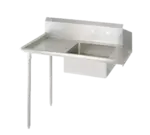
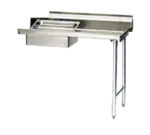
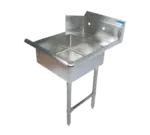
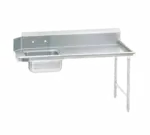
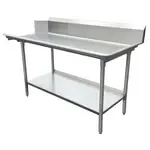
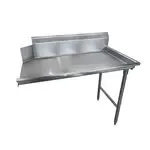
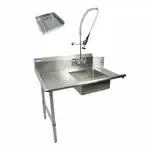
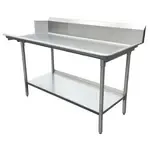
Top-Rated Dishtables
- View Product: Eagle CDTR-48-16/3 Clean Dishtable$1,095.95
- View Product: Eagle UDT-4R-14/3 Spec-Master Undercounter Dishtable$1,637.92
- View Product: Eagle SDTPL-124-14/3 Spec-Master Soiled Dishtable/3-Compartment Pot Sink$6,398.31
- View Product: CMA Dishmachines CL-48 Clean Dishtable$879.00
Call us for pricing
- View Product: Eagle 605381-X Slanted Rack Shelf$754.14
- View Product: Eagle CDTL-60-16/4-X Clean Dishtable$811.69
- View Product: Eagle SDTR-48-16/4-X Soiled Dishtable$1,060.22
- View Product: Advance Tabco BSR-72 Sorting Table$1,653.00
What customers say about our Dishtables
8 verified customer reviews across 7 Dishtables
Popular Brands for Commercial Dishtables





Dishtables FAQs
What is the difference between a soiled and a clean dishtable?
How do I know whether I need a left-to-right or right-to-left dishtable?
What length dishtable do I need?
Should I choose a straight, L-shaped or corner dishtable?
Is 14 gauge or 16 gauge stainless steel better for a dishtable?
Will a dishtable fit my existing dish machine?
Can I add a garbage disposer to a soiled dishtable?
How should I clean and maintain a stainless steel dishtable?
Commercial Dishtable Buying Guide
A commercial dishtable is the stainless steel table that feeds racks into a dish machine and takes them off the other side, and the dish room runs only as fast as these tables let it. Choosing the right pair comes down to the machine you run, the flow of the room and how many racks you need to stage at peak.
Soiled vs. Clean Dishtables
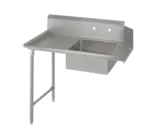
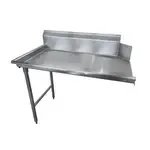
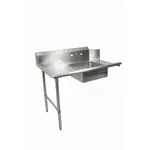
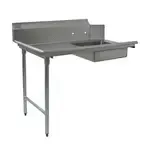
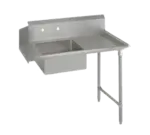
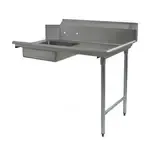
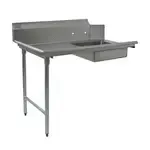
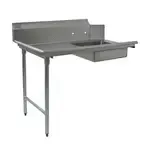
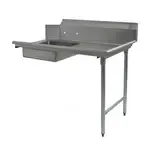
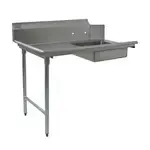
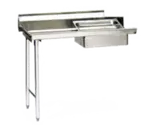
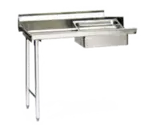
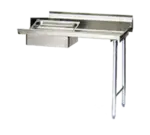
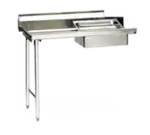
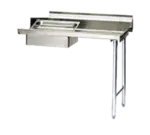
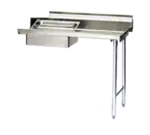
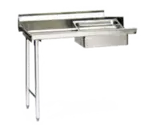
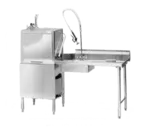
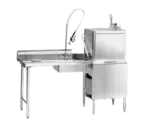
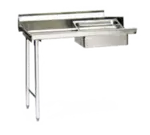
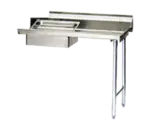
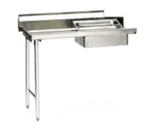
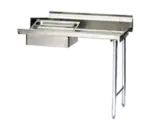
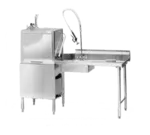
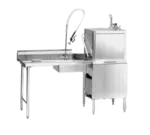
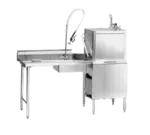
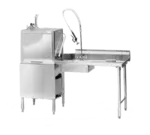
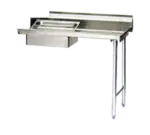
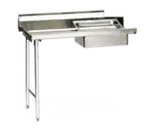
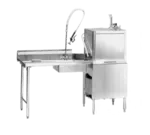
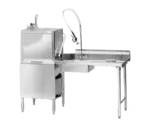
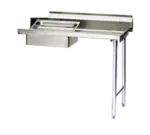
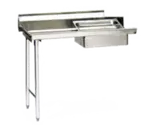
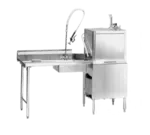
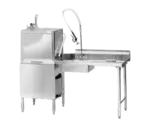
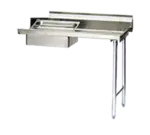
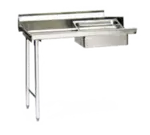
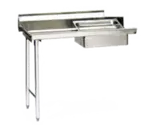
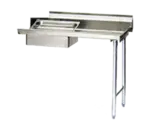
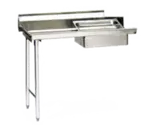
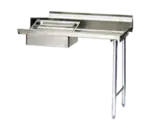
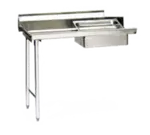
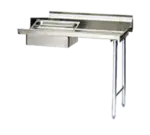
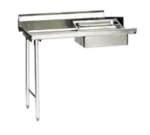
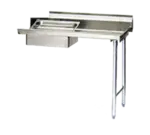
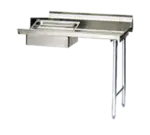
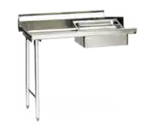
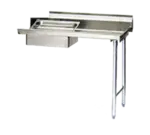
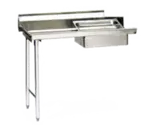
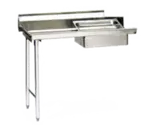
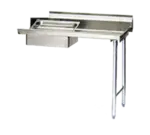
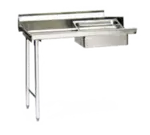
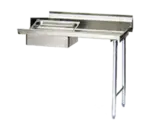
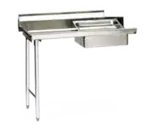
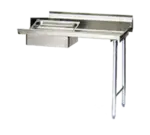
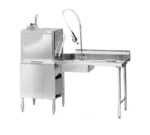
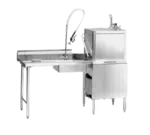
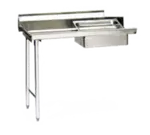
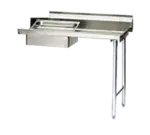
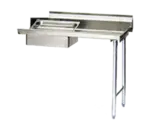
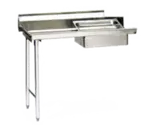
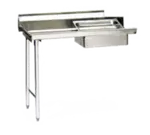
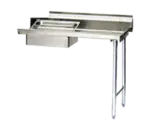
Soiled dishtables sit on the load side of the machine. Models from Advance Tabco, Eagle Group, John Boos, BK Resources, IMC/Teddy and Falcon typically have a 20 by 20 inch pre-rinse sink, a scrap block and a rack-guide rail. Clean dishtables sit on the unload side; they are flat with a rolled rim so racks can drain and dry before the ware goes back into service.
Layout and Flow Direction
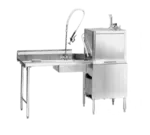
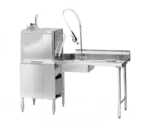
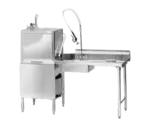
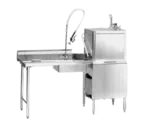
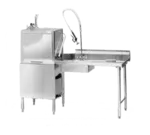
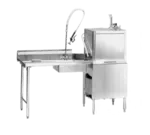
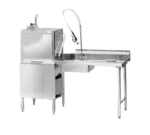
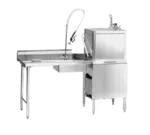
Dishtables come in left-to-right or right-to-left flow and in straight, L-shaped and corner layouts. Straight-through tables suit door type and conveyor machines placed along a wall; corner and L-shaped tables fit tight rooms or machines installed in a corner. Confirm the flow direction before ordering, because a left-to-right soiled table will not work on a right-to-left line.
Sizing the Tables
- Length: tables run from 24 to 144 inches. Allow room to hold several racks on each side, and size the soiled side at least as long as the clean side, since it stages incoming dishes.
- Height and machine fit: confirm the machine's rack height and connection style so the table edge meets the machine without a step.
- Clearance: leave 24 to 30 inches above a door type machine for the hood to lift.
- Undercounter machines: choose an undercounter-style soiled table, or raise the machine on an equipment stand for warewashing.
Materials and Construction
Type 304 stainless steel in 14 or 16 gauge stands up to constant water, detergent and sanitizer. 14 gauge tops resist denting in high-volume operations; 16 gauge is a sound choice for moderate use. Look for raised, rolled edges that keep water on the table, a sloped top that drains toward the sink or machine, and adjustable bullet feet for leveling on uneven floors. NSF-listed models make health inspections simpler.
Sinks, Disposers and Accessories
Pair the soiled table with a pre-rinse faucet and a garbage disposer or scrap trough to clear food waste before racks enter the machine. Overshelves, backsplashes, rack slides and sorting shelves are available in dishtable parts and accessories. Some tables include pot sinks or come as matched soiled-and-clean packages, which simplifies ordering.
Installation and Care
Plan the plumbing for the pre-rinse sink and disposer before the tables arrive, and seal the joint between table and machine so water drains back where it belongs. Wipe tables down at the end of each shift, avoid chloride-based cleaners and steel wool that can pit stainless, and check the feet and drain fittings periodically.
Related Equipment
Match the table to the machine in our commercial dish washing equipment guide and browse dishwashers, see the sinks and drains in commercial sinks and disposer tables, and compare every table style in our commercial work tables guide, including stainless steel work tables.
Need Help Choosing Dishtables?
Our equipment experts are here to help you find the perfect solution.