Sausage Stuffers
Shop more than 15 commercial sausage stuffers from Sirman, Weston and Skyfood Equipment, from compact manual vertical stuffers for restaurants to hydraulic models with knee-lever control for butcher shops and meat processors. Compare capacity, layout and voltage, and complete your line with commercial meat grinders, meat mixers and patty presses.
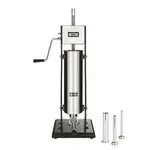
- View Product: SIRMAN USA 40132103 IS 12 VX 12.7 Qt. Manual Vertical Sausage Stuffer, 2-Speed Gear Drive
40132103
SIRMAN USA
SIRMAN USA 40132103 IS 12 VX 12.7 Qt. Manual Vertical Sausage Stuffer, 2-Speed Gear Drive
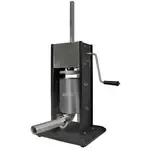
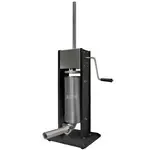
$1,373.00 - View Product: Hamilton Beach 86-0501-W Weston Vertical Sausage Stuffer$185.07
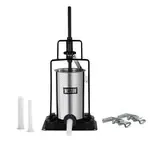
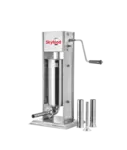
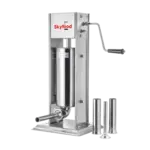
- View Product: Skyfood Equipment 3VF Sausage Stuffer, Manual$318.33
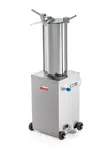
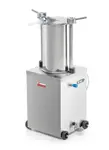
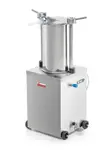
- View Product: SIRMAN USA 40151518 IS 15 IDRA 15.9 Qt. Electric Hydraulic Vertical Sausage Stuffer, 110-120V
40151518
SIRMAN USA
SIRMAN USA 40151518 IS 15 IDRA 15.9 Qt. Electric Hydraulic Vertical Sausage Stuffer, 110-120V
$5,109.00 - View Product: Hamilton Beach 86-0701-W Weston Vertical Sausage Stuffer$281.65
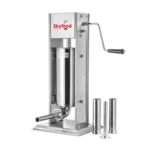
- View Product: Skyfood Equipment 7VF Sausage Stuffer, Manual$390.47
- View Product: SIRMAN USA 40120800 IS 8 X Sausage Stuffer$961.00
- View Product: Hamilton Beach 86-1101-W Weston Vertical Sausage Stuffer$313.72
- View Product: Skyfood Equipment 15VF Sausage Stuffer, Manual$728.48
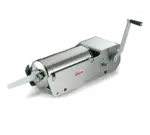
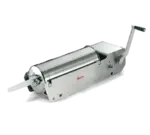
- View Product: SIRMAN USA 40121600 IS 16 X 16.9 Qt. Manual Horizontal Sausage Stuffer, 2-Speed Gear Drive
40121600
SIRMAN USA
SIRMAN USA 40121600 IS 16 X 16.9 Qt. Manual Horizontal Sausage Stuffer, 2-Speed Gear Drive
$1,149.00 - View Product: Hamilton Beach 86-1501-W Weston Vertical Sausage Stuffer$367.06
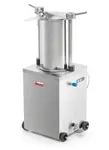
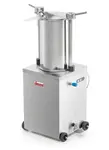
- View Product: SIRMAN USA 40153018 IS 25 IDRA 26.4 Qt. Electric Hydraulic Vertical Sausage Stuffer, 110-120V
40153018
SIRMAN USA
SIRMAN USA 40153018 IS 25 IDRA 26.4 Qt. Electric Hydraulic Vertical Sausage Stuffer, 110-120V
$6,241.00 - View Product: SIRMAN USA 40151516 IS 15 IDRA 15.9 Qt. Electric Hydraulic Vertical Sausage Stuffer, 220-240V
40151516
SIRMAN USA
SIRMAN USA 40151516 IS 15 IDRA 15.9 Qt. Electric Hydraulic Vertical Sausage Stuffer, 220-240V
$5,063.00 - View Product: SIRMAN USA 40153006NA IS 25 IDRA 26.4 Qt. Electric Hydraulic Vertical Sausage Stuffer, 220-240V 1-Phase
40153006NA
SIRMAN USA
SIRMAN USA 40153006NA IS 25 IDRA 26.4 Qt. Electric Hydraulic Vertical Sausage Stuffer, 220-240V 1-Phase
$5,357.00 - View Product: SIRMAN USA 40153016T IS 25 IDRA 26.4 Qt. Electric Hydraulic Vertical Sausage Stuffer, 220-240V 3-Phase
40153016T
SIRMAN USA
SIRMAN USA 40153016T IS 25 IDRA 26.4 Qt. Electric Hydraulic Vertical Sausage Stuffer, 220-240V 3-Phase
$6,168.00 - View Product: SIRMAN USA 40153516T IS 35 IDRA Sausage Stuffer$8,716.00
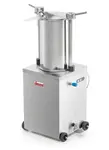
- View Product: SIRMAN USA 40153518 IS 35 IDRA 37 Qt. Electric Hydraulic Vertical Sausage Stuffer, 110V
40153518
SIRMAN USA
SIRMAN USA 40153518 IS 35 IDRA 37 Qt. Electric Hydraulic Vertical Sausage Stuffer, 110V
$8,795.00

Popular Brands for Sausage Stuffers


Sausage Stuffers FAQs
What size sausage stuffer do I need?
Is a dedicated sausage stuffer better than a meat grinder with stuffing tubes?
Should I choose a manual or a hydraulic sausage stuffer?
How do I clean a sausage stuffer?
What stuffing tube sizes do I need?
Why does a sausage stuffer need an air-release valve?
Commercial Sausage Stuffer Buying Guide
Commercial sausage stuffers push ground, seasoned meat from a stainless cylinder through a stuffing tube into natural or collagen casings, so butcher shops, restaurants, delis and sausage makers can turn out fresh links, bratwurst, chorizo and hot dogs in uniform sizes without air pockets. CKitchen carries vertical and horizontal stuffers from Weston, Skyfood Equipment and Sirman, from compact 5 lb manual units to hydraulic models with cylinders of 35 liters and more.
Manual vs. Hydraulic Sausage Stuffers
Manual stuffers use a hand crank and, on most commercial models, a two-speed gear drive: a fast gear to bring the piston down and a slow gear for stuffing. They cost less, need no power and suit small batches a few times a week. Hydraulic and electric stuffers such as the Sirman IS IDRA series drive the piston with a motor and are controlled with a knee or foot lever, which keeps both hands free to guide the casing. They are the choice for daily production and large batches.
Vertical or Horizontal
Vertical stuffers take up less counter space and have a cylinder that tilts or lifts out for loading and cleaning, which is why most commercial models use this layout. Horizontal stuffers sit low and long, are easy to load from the top, and suit operators who prefer to stand beside the machine rather than behind it.
Choosing a Capacity
Capacity is listed in pounds, liters or quarts of meat. A 5 to 7 lb (3 to 7 liter) stuffer handles restaurant specials and small butcher counters; 11 to 15 lb units suit shops that make sausage several times a week. Choose 12 to 16 quart or larger cylinders if you run 30 lb or more per batch, so you refill the cylinder less often and keep the meat cold.
Features to Compare
- Stainless steel cylinder and piston for food safety and easy sanitation.
- Air-release valve in the piston to prevent air pockets in the casing.
- Several stuffing tube sizes, typically from about 10 mm for snack sticks to 30 mm or more for large sausages.
- Stable base with feet or clamps so the stuffer stays put under load.
- Voltage on hydraulic models: many are offered in both 110-120V and 220-240V versions, and the largest may need three-phase power.
Building the Sausage Line
Pair your stuffer with a commercial meat grinder and a meat mixer to blend seasoning evenly, and weigh batches on a commercial scale. Use a vacuum sealer for storage, patty presses for burgers, and a meat curing cabinet to dry-cure and age product. Browse all meat processing equipment for more.
Cleaning and Care
After each use, remove the cylinder, piston and tubes, wash them in hot soapy water, sanitize and air dry. Keep the gearbox or hydraulic base dry, and check the piston seal and gaskets regularly so the stuffer keeps building pressure without leaks.
Need Help Choosing Sausage Stuffers?
Our equipment experts are here to help you find the perfect solution.