How to Cook the Same Dish for 2 Guests or 200
Cooking one perfect plate is a skill. Cooking that same dish consistently for dozens—or hundreds—of guests is a system. The biggest mistake chefs make when scaling is assuming that doubling ingredients simply doubles results. In reality, how to cook for a crowd requires structural adjustments in heat control, seasoning, moisture management, and timing.
Whether you’re cooking for 2 guests at a private table or preparing for a banquet of 200, the principles of large batch cooking determine whether the dish succeeds or fails. Here’s how professionals scale intelligently without sacrificing quality.
The Real Difference Between Small and Large Batch Cooking
When cooking small portions, heat transfer is direct and fast. Moisture evaporates quickly, seasoning can be adjusted easily, and plating is immediate. In contrast, cooking for large groups changes how ingredients behave.
In large batches:
- Heat distributes more slowly
- Evaporation rates decrease
- Carryover cooking intensifies
- Seasoning disperses differently
Understanding these differences is essential before attempting to scale a recipe.
How to Scale a Recipe Without Ruining It
Many cooks think scaling is mathematical. While knowing how to double a recipe is important, arithmetic alone doesn’t preserve quality.
1. Don’t Double Everything Automatically
Spices, salt, and acids rarely scale linearly. Start with 75–85% of the scaled seasoning and adjust gradually.
2. Increase Cooking Surface Area
Instead of doubling volume in one pot, use two pans. This maintains evaporation rates and prevents steaming.
3. Adjust Liquid Levels
In batch cooking techniques, liquids often need less than full scaling because evaporation decreases in larger volumes.
Mastering how to scale a recipe means scaling structure—not just ingredients.
Cooking for 20 vs Cooking for 50 People
The jump from intimate service to event service introduces new timing challenges.
Cooking for 20 People
- Can often be managed with standard sauté pans and ovens
- Heat recovery is less dramatic
- Plating can remain individual
Cooking for 50 People
- Requires strategic sequencing
- May involve partial pre-cooking
- Holding and finishing become critical
When cooking for 50 people, workflow design matters as much as technique.
How to Cook for a Crowd Without Losing Texture
Texture is the first casualty in poorly executed cooking for a crowd.
Common issues include:
- Proteins drying out
- Vegetables over-softening
- Starches becoming dense
The solution lies in staging.
Cook Proteins in Phases
Partially cook, rest, and finish in controlled waves. This prevents overexposure to heat.
Keep Crisp Components Separate
Fried or roasted items should be finished as close to service as possible.
Avoid Overcrowding
Overcrowded pans reduce browning and trap moisture—especially dangerous in large batch cooking.
Restaurant Portion Control Becomes Critical at Scale
When scaling up, restaurant portion control directly impacts flavor balance and food cost.
If portions increase unintentionally:
- Sauce-to-protein ratios change
- Seasoning feels weaker
- Plate structure collapses
Using portion scoops, scales, and consistent plating patterns ensures scaled dishes taste identical to smaller versions.
Batch Cooking Techniques That Protect Quality
Professional kitchens rely on specific batch cooking techniques to maintain consistency:
1. Par-Cooking
Cook items 70–80% done, then finish during service.
2. Component Cooking
Prepare elements separately rather than cooking everything in one large vessel.
3. Controlled Holding
Hold items at stable temperatures without pushing them into further cooking.
These systems allow chefs to handle cooking for large groups without sacrificing integrity.
Why Large Batch Cooking Changes Flavor
In small batches, flavors concentrate quickly due to evaporation. In larger volumes, liquids remain trapped longer, which can dilute intensity.
To compensate:
- Allow longer reduction times
- Increase aromatics gradually
- Adjust seasoning late in the cooking process
Failing to account for these changes is why many scaled dishes taste flat.
Heat Management in Large Volumes
Cooking a single pan allows precise heat control. Cooking multiple pans or larger vessels alters heat dynamics.
When working with larger quantities:
- Use wider pans instead of deeper ones
- Preheat equipment thoroughly
- Allow recovery time between batches
Heat stability becomes the backbone of successful large batch cooking.
Equipment Makes Scaling Possible
Scaling efficiently depends on using the right tools.
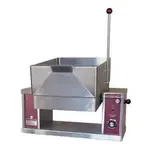
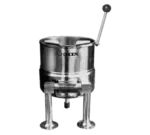
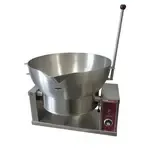
Combi ovens allow even cooking across trays. Tilt skillets provide consistent heat distribution for sauces and braises. Steam kettles reduce scorching risk during volume cooking. Larger stockpots with thick bases prevent uneven heating.
Without proper equipment, how to cook for a crowd becomes far more difficult and inconsistent.
How to Maintain Consistency From 2 Plates to 200
The key to cooking the same dish at any scale is process control.
- Standardize prep sizes
- Document seasoning adjustments
- Control cooking time by temperature, not guesswork
- Use portioning tools
- Train staff on scaling logic—not just recipe steps
When systems are in place, scaling becomes predictable.
Cooking for a Crowd Without Panic
Many kitchens struggle with cooking for large groups because they attempt to cook everything at once.
Instead:
- Break service into waves
- Pre-stage components
- Cook high-risk items last
- Avoid overloading heat sources
This reduces stress and preserves quality.
When Not to Scale Directly
Some dishes simply don’t scale well without modification.
Examples:
- Delicate emulsified sauces
- Thin, crisp proteins
- Rapid-cook seafood
In these cases, redesigning the dish for volume is smarter than forcing scale.
Final Thoughts: Scale With Structure, Not Guesswork
Cooking for two guests is about precision. Cooking for 200 is about systems. When chefs understand how evaporation, heat distribution, and seasoning behave in large batch cooking, they can confidently execute the same dish at any volume.
Mastering how to cook for a crowd, applying smart batch cooking techniques, and maintaining tight restaurant portion control allows dishes to taste intentional—no matter how many plates leave the kitchen.
The secret isn’t doubling the recipe.
It’s scaling the process.