The Science of Gluten Development: Mixers, Hydration & Timing

Whether you're baking baguettes for a hotel brunch, stretching pizza dough at peak service, or producing laminated pastries in bulk, your success hinges on one essential process: gluten development. More than a buzzword, gluten is the structural backbone of nearly every bread and pastry, responsible for elasticity, rise, and texture. And yet, few cooks—from line cooks to bakers—truly understand what is gluten, how it forms, or why proper mixing and hydration matter so much.
This article breaks down the science in a chef-friendly, practical way—explaining how gluten works, how to manipulate gluten chemical structure, and how dough hydration, kneading, and timing influence everything from chewiness to crumb structure. We’ll also touch on what is gluten free and what gluten free means, a critical area of education for modern restaurants.
What Is Gluten? (The Real Definition for Chefs)
When people ask what is gluten, most think of bread, pasta, or allergy warnings, but gluten is simply a network of proteins found in wheat and related grains.
Gluten is composed of two main protein groups:
- Gliadin – gives dough extensibility (stretch)
- Glutenin – provides elasticity (strength and structure)
On their own, these proteins do nothing special. But when water is added and the dough is moved or mixed, the proteins begin linking together, creating long, stretchy chains known as the gluten structure.
What Is Gluten Free? What Does Gluten Free Mean?
Modern diners often ask, "Is this gluten free?" and understanding the scientific meaning helps kitchens prevent cross-contamination and mislabeling.
✔ What is gluten free?
A product is gluten free if it contains no gluten-containing grains, including:
- Wheat
- Barley
- Rye
- Triticale
- Some oats (unless certified gluten free)
✔ What does gluten free mean in cooking?
It means:
- The dish was made without gluten-containing ingredients,
- No cross-contact occurred with gluten surfaces, tools, or equipment,
- Ingredients meet FDA’s < 20 ppm gluten requirement.
For restaurants, this isn’t just a trend—it’s a safety requirement.
Gluten Chemical Structure: A Chef’s Understanding
The gluten chemical structure forms when gliadin and glutenin bond using water and mechanical energy. The network traps gas from yeast fermentation, which makes dough rise.
While a food scientist could break this down more deeply, chefs can think of gluten like:
An edible elastic net that expands, strengthens, and traps air.
The more developed the net, the stronger and chewier the final product. Underdeveloped gluten results in dense, flat, weak doughs.
How Gluten Works in Dough (The Process Explained)
Understanding how gluten works helps chefs troubleshoot dough issues quickly.
1. Hydration Activates the Proteins
Water dissolves starch and hydrates gliadin/glutenin, allowing them to move and bond.
This is why dough hydration is the first crucial step in gluten development.
Higher hydration → more open crumb
Lower hydration → tighter crumb
2. Mixing & Kneading Create the Network
Mechanical force connects the proteins into long strands.
This creates the internal scaffolding that gives bread its chew and ability to hold shape.
3. Fermentation Expands the Gluten Network
Yeast produces CO₂, which is captured by the gluten net, creating rise.
4. Baking Solidifies the Structure
Heat permanently sets the gluten network, locking the final texture in place.
Understanding each stage helps bakers control texture, volume, and consistency.
Gluten Formation & Dough Hydration: Why Water Matters
Gluten formation depends heavily on the dough's hydration level. Water determines:
- how easily proteins link
- how gas moves through the dough
- how open or tight the crumb becomes
- how much mixing the dough needs
Here’s how hydration levels affect different products:
50–55% Hydration
Tight doughs like bagels or pretzels; strong chew.
60–65% Hydration
Standard breads; balanced structure.
65–75% Hydration
Ciabatta, focaccia; open, airy crumb.
>80% Hydration
Pan breads, artisan loaves; extremely wet and extensible.
Commercial bakers rely on mixers with slow and fast speeds to align gluten networks properly, especially in high-hydration doughs that would be impossible to knead by hand.
Why Knead Dough? (The Real Reason)
A common question in pastry and bread production is why knead dough at all.
The answer is simple:
✔ Kneading strengthens and organizes gluten strands.
When dough is first mixed, the gluten network is weak and unordered. Kneading:
- aligns the proteins
- strengthens the dough
- builds elasticity
- improves gas retention
- creates uniform crumb structure
Without kneading (or another mechanical mixing method), dough remains weak and cannot rise properly.
How to Knead Dough: Professional Technique
Many articles explain how to knead dough in home-cook terms, but here is the professional chef approach used in bakeries and commissaries:
1. Push and Fold
Use the heel of your hand to push the dough away, then fold it back over itself.
2. Rotate 90 Degrees
Turn the dough to work all sides evenly.
3. Repeat Rhythmically
Kneading is a pattern, not random motion.
4. Test for Gluten Development
Use the windowpane test:
Stretch a small piece of dough—if it becomes thin and translucent without tearing, gluten is fully developed.
Commercial mixers (planetary or spiral) handle this far more efficiently, especially in high-volume kitchens.
The Role of Commercial Mixers in Gluten Development
For restaurants, hotels, bakeries, and pizza shops, understanding how equipment affects gluten development is essential.
Best for:
- standard doughs
- cookies
- batters
- frosting
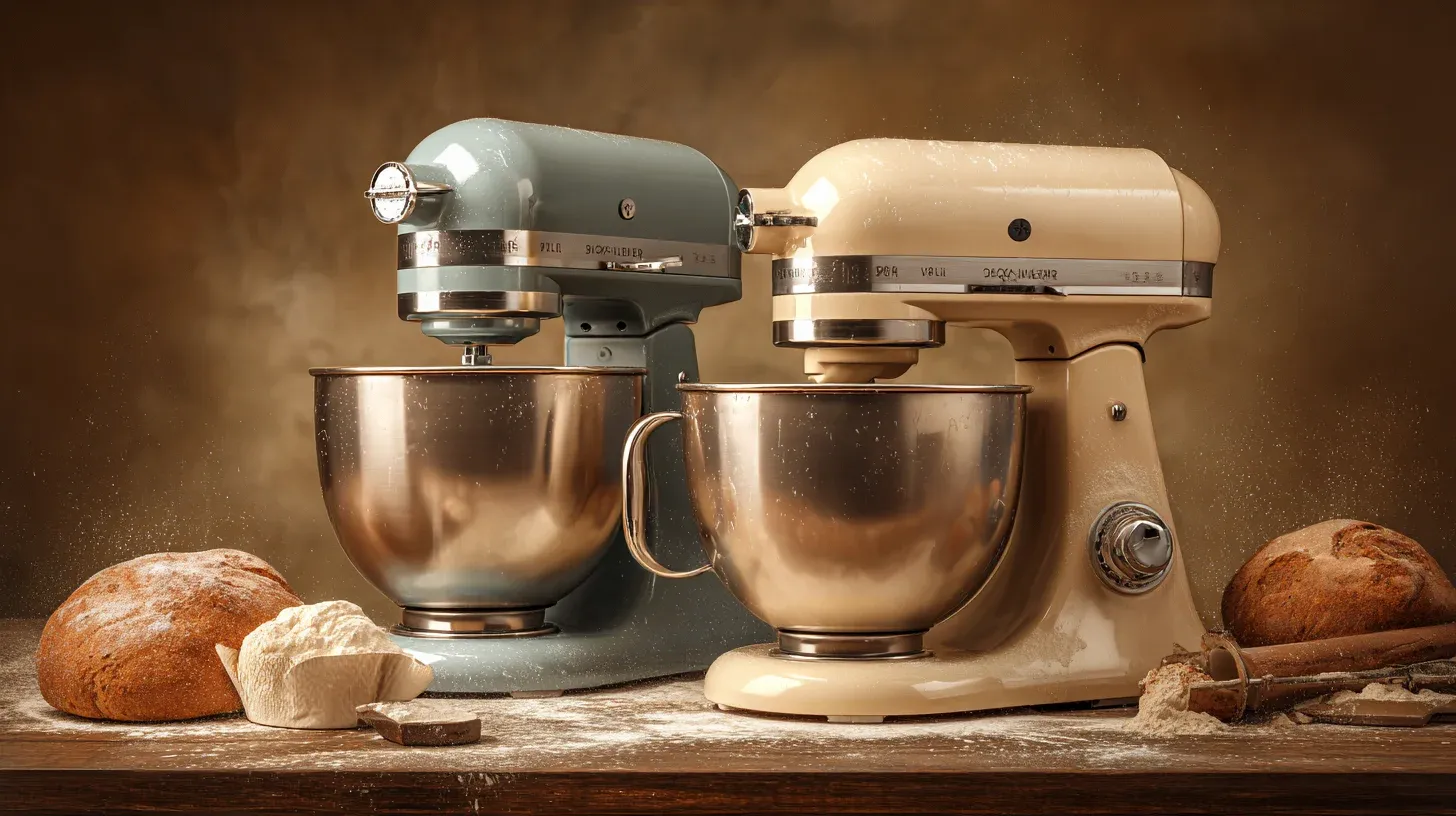
Planetary motion incorporates ingredients consistently but can overheat dough if used excessively.
Best for:
- artisan bread
- pizza dough
- high-hydration doughs
Spiral mixers develop gluten more gently and evenly, minimizing friction and preserving dough temperature.
Dough Hydration + Mixer Choice = Final Texture
This is why identical recipes can produce different results depending on the equipment used.
Signs of Proper vs Improper Gluten Development
Proper Gluten Development
- Elastic, smooth dough
- Holds shape
- Stretches without tearing
- Excellent oven rise
- Even, structured crumb
Underdeveloped Gluten
- Dense
- Flat
- Tears easily
- Poor rise
Overdeveloped Gluten
- Tight
- Tough
- Difficult to shape
- Resistant to stretching
Using rest periods (autolyse), proper mixing speeds, and appropriate hydration prevents these problems.
How to Control Gluten Development for Better Bread
Here are chef-level techniques that control gluten strength depending on your product:
For Strong Gluten (bagels, pretzels, pizza):
- Lower hydration
- Longer mixing
- Higher protein flour
For Tender Gluten (brioche, rolls):
- Higher hydration
- Shorter mixing
- More fat/sugar to shorten strands
For Artisan Open crumb (ciabatta, focaccia):
- Very high hydration
- Gentle mixing
- Long fermentation
Final Thoughts: Gluten Is the Heart of Bread
Understanding gluten development, gluten structure, gluten formation, and the role of mixing and hydration transforms the way chefs and bakers create dough. Whether you're producing thousands of rolls a day or crafting a signature sourdough for a small café, gluten science is the key to consistency, texture, and flavor.
At its core, gluten is simply a protein network—but in skilled hands, it becomes architecture, elasticity, chew, structure, and artistry.