Why Timing Fails on the Line (And How Chefs Fix It)

- The Real Reason Timing Fails During Service
- Why Holding Food Is Different From Cooking Food
- Food Holding Temperature: The Line Between Quality and Failure
- How to Keep Food Warm Without Overcooking
- The Role of Restaurant Heat Lamps in Line Timing
- Commercial Heat Lamps vs Improvised Holding
- Hot Holding Equipment Beyond Heat Lamps
- Holding Food Before Serving: Station-by-Station Strategy
- How to Keep Food Hot Without Rushing the Line
- Common Holding Mistakes That Kill Timing
- Equipment That Solves Timing Problems on the Line
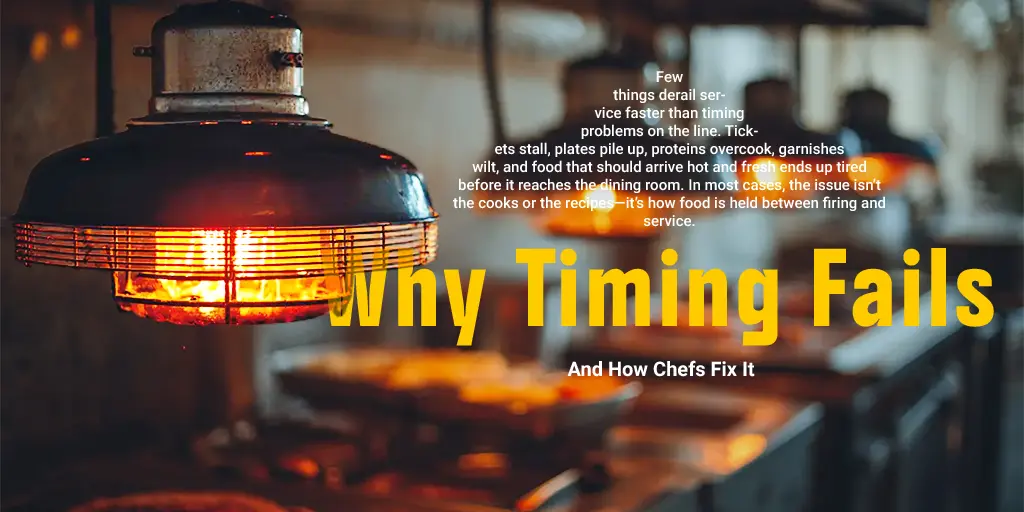
Few things derail service faster than timing problems on the line. Tickets stall, plates pile up, proteins overcook, garnishes wilt, and food that should arrive hot and fresh ends up tired before it reaches the dining room. In most cases, the issue isn’t the cooks or the recipes—it’s how food is held between firing and service.
Understanding how to keep food warm, how to keep food hot, and the correct methods for holding food for service is one of the most important skills in a professional kitchen. When holding systems fail, timing collapses. When holding systems work, service flows.
This article breaks down why timing breaks down on the line and how chefs fix it using proper temperatures, smart workflow, and the right hot holding equipment.
The Real Reason Timing Fails During Service
Most kitchens experience timing issues for one simple reason:
finished food has nowhere correct to wait.
When plates are rushed, components finish at different times. Without a proper holding strategy, food ends up:
- sitting too long on the range
- parked in an oven that’s too hot
- left under lamps without airflow
- stacked on the pass losing heat unevenly
Each of these leads to inconsistent temperature, texture loss, and rushed re-fires.
This is why mastering holding food before serving is not optional—it’s essential.
Why Holding Food Is Different From Cooking Food
Cooking and holding are two completely different processes.
Cooking applies heat to change food.
Holding applies controlled heat to pause food at its ideal state.
The mistake many kitchens make is using cooking equipment for holding. Ovens, flattops, and sauté burners are designed to apply aggressive heat—not to maintain a stable food holding temperature.
The result? Overcooking, drying, and breakdown of texture.
To fix timing problems, chefs must learn how to keep food warm without overcooking.
Food Holding Temperature: The Line Between Quality and Failure
One of the biggest contributors to timing failure is misunderstanding temperature.
For most hot foods, the safe and effective food holding temperature range is:
- Above 140°F (60°C) for food safety
- Below active cooking temperatures to avoid carryover cooking
When food is held too hot:
- proteins tighten and dry
- starches break down
- sauces separate
When food is held too cool:
- safety risks increase
- reheating becomes necessary
- plating slows down
The goal is stable heat, not intense heat.
How to Keep Food Warm Without Overcooking
The most common chef question during service is how to keep food warm while waiting for other components. The answer lies in gentle, indirect heat.
Here’s how professional kitchens do it:
1. Separate Cooking From Holding
Finish proteins on the grill or pan, then move them immediately to a holding zone. Do not leave food on active burners.
2. Use Short Holding Windows
Holding should bridge timing gaps—not replace cooking. The shorter the hold, the better the final result.
3. Control Airflow
Dry heat dries food. Gentle radiant heat with airflow preserves texture.
This is where restaurant heat lamps become essential.
The Role of Restaurant Heat Lamps in Line Timing
Restaurant heat lamps are one of the most misunderstood pieces of equipment in a kitchen. When used incorrectly, they ruin food. When used correctly, they solve timing problems instantly.
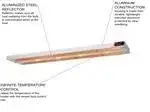
Heat lamps work by providing radiant heat from above, allowing plated food to stay hot without aggressive bottom heat.
Best Uses:
- holding finished plates at the pass
- synchronizing multiple dishes
- maintaining temperature during garnishing
- bridging timing gaps between stations
Unlike ovens, heat lamps don’t trap moisture or continue cooking aggressively. This makes them ideal for holding food for service at the expo station.
Commercial Heat Lamps vs Improvised Holding
Many kitchens attempt to hold food using:
- open ovens
- salamanders
- stacked plates near the range
These methods create uneven heat and accelerate overcooking.
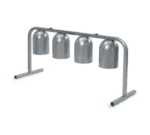
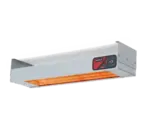
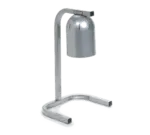
Commercial heat lamps are specifically designed for controlled holding. They provide:
- even heat coverage
- adjustable height and output
- better visibility for expo
- faster plating coordination
For busy services, they are one of the most cost-effective timing fixes available.
Hot Holding Equipment Beyond Heat Lamps
While heat lamps are essential for the pass, other hot holding equipment plays a critical role deeper on the line.
Holding Cabinets
Ideal for:
- proteins
- roasted vegetables
- banquet and catering service
They maintain consistent temperature without drying food.
Warming Drawers
Perfect for:
- plated sides
- bread
- small batch holding
Steam Tables
Best for:
- sauces
- braised items
- soups
Each piece of equipment serves a different holding purpose. Using the wrong one causes timing and quality issues.
Holding Food Before Serving: Station-by-Station Strategy
Timing failures often happen because each station finishes at a different pace. The fix is coordinated holding.
Protein Station
Proteins should rest briefly, then move to a holding zone—not sit on heat.
Sauce Station
Sauces should be held at stable temperatures with gentle agitation to prevent separation.
Garde Manger
Cold components must be ready early so hot items aren’t waiting.
Expo
The expo station is where everything comes together. This is why restaurant heat lamps are critical here—they allow finished plates to wait briefly without degradation.
How to Keep Food Hot Without Rushing the Line
Rushing causes mistakes. Proper holding prevents them.
Here’s how chefs maintain pace without panic:
- fire items in staggered order
- hold finished components correctly
- plate only when all elements are ready
- trust holding equipment instead of burners
Learning how to keep food hot without re-firing or reheating is what separates smooth service from chaos.
Common Holding Mistakes That Kill Timing
- Holding too hot – causes overcooking
- Holding too long – kills texture
- Stacking plates – traps steam
- Using ovens as warmers – cooks food further
- No designated holding zones – leads to confusion
Fixing these mistakes immediately improves speed of service.
Why Timing Fixes Improve Food Quality Instantly
Once holding is controlled:
- plates leave the kitchen hotter
- textures stay intact
- cooks stop rushing
- communication improves
- service becomes predictable
Timing problems are rarely about speed—they’re about control.
Equipment That Solves Timing Problems on the Line
To consistently solve timing issues, kitchens rely on:
- restaurant heat lamps at the pass
- commercial heat lamps with adjustable output
- hot holding equipment matched to menu needs
- accurate thermometers to monitor holding zones
When food has a safe, stable place to wait, the line runs smoothly.
Final Thoughts: Timing Is a Holding Problem, Not a Cooking Problem
Most timing failures don’t come from slow cooks or bad recipes—they come from poor holding strategy. Once chefs understand how to keep food warm, how to keep food hot, and the correct way to manage holding food before serving, service becomes predictable and calm.
With proper temperatures, smart workflow, and the right hot holding equipment, kitchens eliminate unnecessary stress and deliver better food—plate after plate.