How to Reduce Restaurant Energy Bills With Smarter Equipment Use

- Understand Where Restaurant Energy Consumption Actually Goes
- Invest in ENERGY STAR Certified Commercial Kitchen Equipment
- Optimize How You Use Your Cooking Equipment
- Maintain Refrigeration Equipment Rigorously
- Address HVAC and Ventilation Strategically
- Upgrade Lighting to LED Throughout
- Monitor Consumption to Find Hidden Waste
- The Bottom Line on Restaurant Energy Costs
Restaurant energy costs are one of the most significant — and most overlooked — drains on profitability. While food cost and labor dominate most operators’ attention, utility bills quietly consume between 3% and 5% of a restaurant’s total revenue. For a business operating on margins already as thin as 5% to 9%, that figure is impossible to ignore.
The good news: a large portion of what restaurants spend on energy is avoidable. Studies show that restaurants use five to seven times more energy per square foot than other commercial buildings, and much of that consumption comes down to how equipment is selected, used, and maintained — not just how much of it you run. This guide breaks down the highest-impact strategies for reducing restaurant utility costs through smarter commercial kitchen equipment decisions.
Understand Where Restaurant Energy Consumption Actually Goes
Before reducing commercial kitchen energy consumption, operators need to know where the money is going. On average, the breakdown looks like this:
• Food storage and preparation (refrigeration + cooking equipment): 41%
• HVAC: 28%
• Sanitation (dishwashing, hot water): 18%
• Lighting: 13%
Cooking equipment and refrigeration together represent the single largest opportunity for savings — which is exactly why equipment selection and operating habits matter so much. Targeting these two areas alone can reduce your average restaurant utility bill by up to 30%.
Invest in ENERGY STAR Certified Commercial Kitchen Equipment
The most impactful long-term decision a restaurant owner can make is choosing ENERGY STAR certified commercial kitchen equipment. Created by the U.S. Environmental Protection Agency, the ENERGY STAR label guarantees that a unit meets strict efficiency guidelines — consuming significantly less electricity or gas than standard models while delivering equivalent or better performance.
The financial case is compelling. Commercial kitchens fully outfitted with ENERGY STAR appliances can save nearly $5,300 per year in energy costs compared to standard equipment. Over the lifespan of the equipment, those savings compound substantially.
When it comes time to replace aging equipment, prioritize ENERGY STAR certified models in these high-consumption categories:
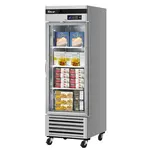
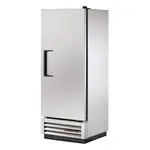
• Commercial refrigerators and freezers — refrigeration runs 24 hours a day, making efficiency ratings directly proportional to monthly savings
• Commercial dishwashers — high-temp and low-temp models vary significantly in water heating costs
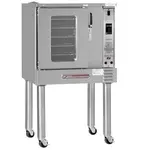
• Commercial fryers and ovens — cooking equipment accounts for a major share of kitchen energy use
• Ice machines — often overlooked, but ice production is surprisingly energy and water-intensive
Optimize How You Use Your Cooking Equipment
Even the most energy efficient commercial kitchen equipment wastes energy when operated poorly. Operational habits have a measurable impact on how much energy does a restaurant use day to day.
Preheat strategically. Many operators preheat equipment far earlier than necessary and leave it running long after service ends. Establish precise preheat windows for each piece of equipment based on actual warm-up times — most commercial ovens reach operating temperature in 15 to 20 minutes, not the hour some kitchens allow.
Use equipment appropriate to the task. Running a large commercial range or oven at full capacity for a small volume of food is inherently wasteful. During prep or slow periods, consolidate cooking onto fewer burners or smaller equipment where possible.
Turn off idle equipment. Commercial fryers left at cooking temperature during slow periods waste significant energy. Establish clear protocols for when equipment should be powered down or set to standby mode between rushes. This single habit can generate meaningful reductions in daily energy consumption.
Match equipment size to actual volume. Oversized equipment is a chronic source of energy waste in commercial kitchens. When purchasing or replacing equipment, size units to your actual throughput rather than theoretical peak capacity.
Maintain Refrigeration Equipment Rigorously
Refrigeration is the largest single category of energy consumption in most restaurants — and it runs every hour of every day, whether your doors are open or not. The condition of your refrigeration equipment directly determines how hard compressors work and how much energy they consume.
Key maintenance practices that directly reduce energy costs:
• Clean condenser coils regularly. Dirty coils force compressors to work harder, increasing energy draw significantly. Coils should be inspected and cleaned at minimum every three months.
• Inspect and replace door gaskets. Failing or worn gaskets allow cold air to escape, causing units to run compressors more frequently. Walk-in coolers with failing gaskets are among the most common sources of hidden refrigeration energy waste.
• Check temperature settings. Walk-in coolers set colder than necessary consume more energy without any food safety benefit. Verify that units are calibrated to the correct temperature for their contents — not simply set as cold as possible.
• Ensure adequate airflow around units. Reach-in refrigerators and freezers require clearance around condenser units to dissipate heat efficiently. Equipment crowded against walls or other units runs less efficiently.
An energy efficient commercial refrigerator that is poorly maintained will perform no better — and often worse — than a standard unit in good condition.
Address HVAC and Ventilation Strategically
At 28% of total restaurant energy consumption, HVAC systems represent the second-largest opportunity for savings. Commercial kitchen ventilation in particular is an area where significant waste occurs.
Invest in demand-controlled ventilation (DCV). Traditional ventilation systems run at fixed speeds regardless of cooking activity. Demand-controlled systems adjust fan speed based on actual heat and exhaust levels, reducing energy consumption during slower periods without sacrificing air quality.
Schedule HVAC maintenance. Dirty filters, failing components, and uncalibrated thermostats all increase HVAC energy draw. Quarterly maintenance checks pay for themselves in energy savings.
Separate kitchen and dining area climate control. The kitchen generates enormous heat that continuously works against cooling systems. Where possible, ensure kitchen and dining HVAC zones are independently controlled so the dining area isn’t overcooled to compensate for kitchen heat.
Upgrade Lighting to LED Throughout
Lighting represents 13% of restaurant energy consumption — a modest share, but one of the easiest and most cost-effective to address. Switching to LED lighting reduces energy consumption by 50% to 70% compared to traditional incandescent or fluorescent fixtures, with no trade-off in light quality.
LED upgrades require relatively low upfront investment and deliver fast payback periods. For dining areas, modern LEDs offer warm color temperatures that enhance food presentation and ambiance. In kitchens and back-of-house areas, the durability and reduced heat output of LEDs offer additional operational benefits.
Monitor Consumption to Find Hidden Waste
You cannot manage what you cannot measure. Restaurants that install basic energy monitoring — even at the utility meter level — consistently identify waste that is invisible on monthly bills. Common discoveries include equipment running overnight, refrigeration cycling excessively due to maintenance issues, and HVAC systems overcooling during closed hours.
Even without sophisticated monitoring systems, training staff to track equipment on/off schedules and flag unusual utility bill spikes creates a culture of energy awareness that compounds into meaningful savings over time.
The Bottom Line on Restaurant Energy Costs
Reducing restaurant energy costs does not require a complete kitchen overhaul. The highest-impact strategies — selecting energy efficient commercial kitchen equipment, building disciplined operating habits, and maintaining refrigeration and HVAC systems properly — are accessible to restaurants at every scale.
For operators looking to upgrade to energy efficient commercial refrigerators, ENERGY STAR certified cooking equipment, or commercial dishwashers that reduce hot water consumption, the right equipment makes every other strategy more effective.
Explore commercial kitchen equipment at CKitchen.com — a fully authorized dealer of energy efficient foodservice equipment from all major brands.