Best Commercial Ice Machine: How to Choose the Right One for Your Restaurant

Choosing the right ice machine is essential for maintaining efficiency and customer satisfaction in any foodservice operation. Many operators start by exploring different types of commercial kitchen equipment to understand what best fits their workflow and volume needs.
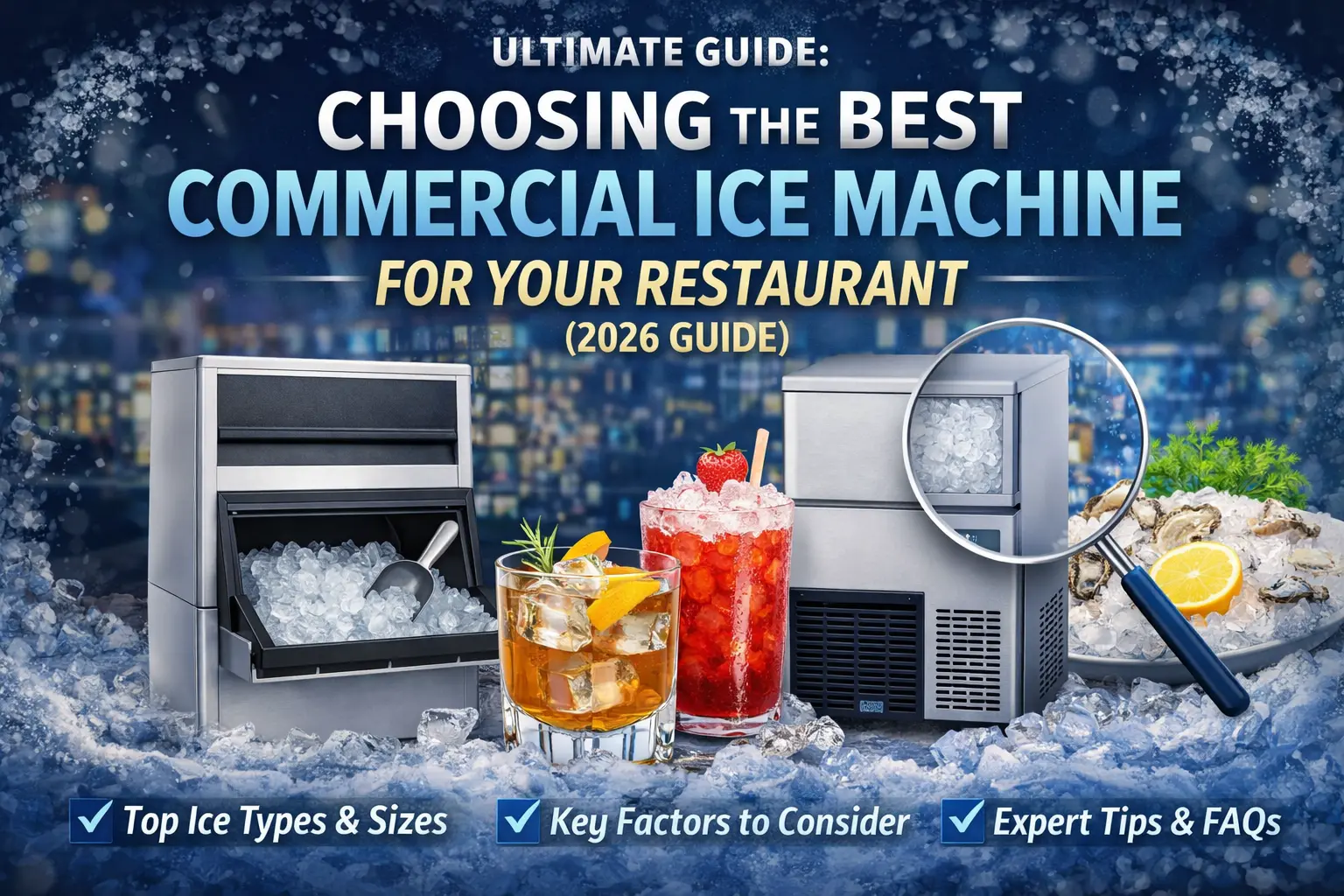
Ice is one of the most critical — yet underestimated — components of restaurant operations. From cocktails and soft drinks to food safety and presentation, the right ice machine affects everything from service speed to customer experience. It plays a key role in beverage consistency, food preservation, and even perceived quality, especially in high-volume environments where every detail matters. In busy kitchens and bars, running out of ice can disrupt service just as much as running out of ingredients, making it a core operational necessity rather than an afterthought. Additionally, the type and quality of ice you serve can influence customer perception, particularly in premium drinks and plated presentations.
Choosing the wrong unit can lead to shortages during peak hours, poor drink quality, and unnecessary costs. That’s why selecting the best commercial ice machine isn’t just about price — it’s about matching the machine to your workflow, menu, and volume.
| Ice Machine Type | Best For | Daily Production | Storage | Key Advantages | Limitations |
|---|---|---|---|---|---|
| Modular Ice Machine (Head Unit) | High-volume restaurants, hotels, hospitals | 500–2,000+ lbs/day | Requires separate ice bin | Scalable, high output, flexible setup | Higher upfront cost, needs more space |
| Undercounter Ice Machine | Bars, cafés, small kitchens | 50–350 lbs/day | Built-in storage | Compact, all-in-one, easy installation | Limited capacity |
| Countertop Ice Machine | Offices, small cafés, low-demand use | 20–100 lbs/day | Built-in small bin | Portable, space-saving, plug-and-play | Very low production |
| Ice Dispenser Machine | Healthcare, self-service stations | Low–Medium | Built-in | Sanitary, easy dispensing | Limited flexibility |
Quick Answer: What Is the Best Ice Machine for a Restaurant?
There is no single “best” option — the right commercial ice maker depends on your operation:
- Cocktail bars → full cube or gourmet ice
- Casual restaurants → half cube ice
- Cafés → undercounter machines
- Buffets & seafood → flake ice
- Fast casual → nugget ice
👉 The key is aligning ice type + capacity + layout.
Types of Commercial Ice Machines
Understanding machine types is the foundation of a smart purchase.
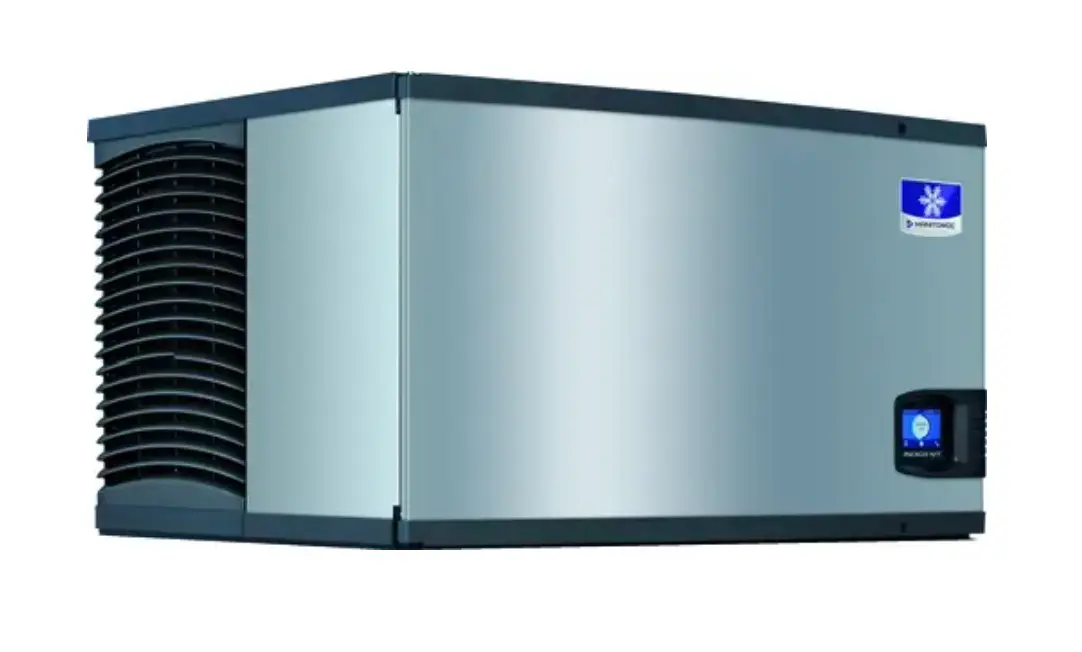
- Produce large volumes (300–1,000+ lbs/day)
- Require a separate storage bin
- Best for high-volume restaurants and hotels
👉 Ideal if your restaurant serves hundreds of guests daily.
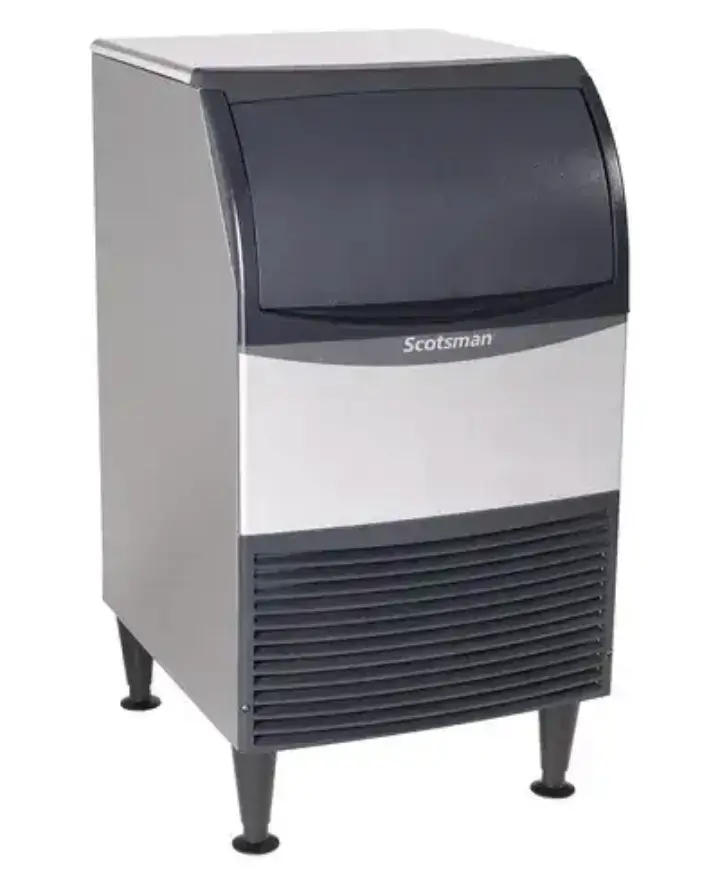
- Compact, built-in storage
- 50–350 lbs/day production
- Perfect for bars and cafés
👉 A great commercial ice machine for small business setups.
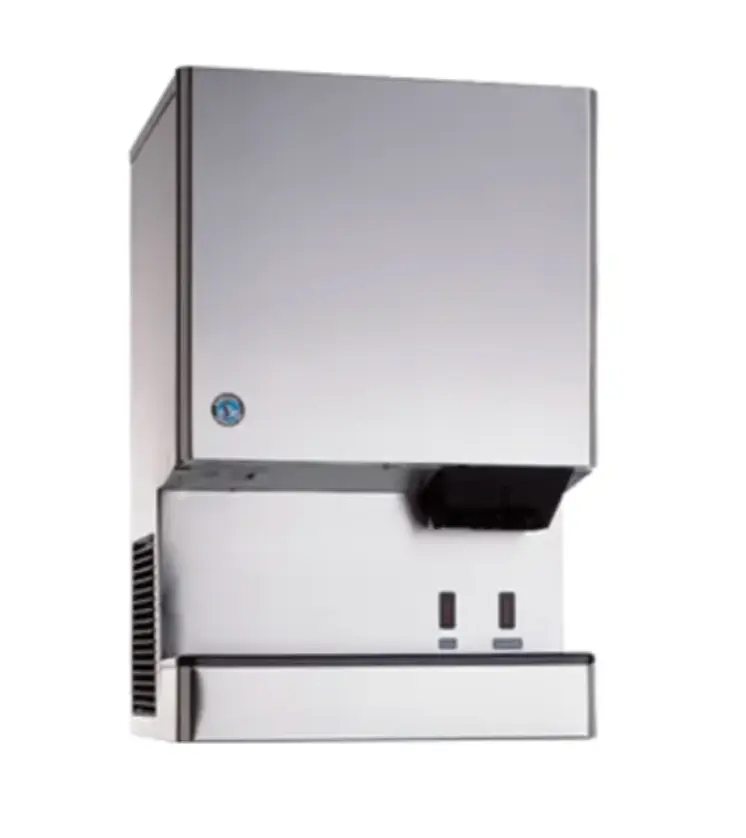
- Small footprint
- Limited capacity
- Used for self-service or niche applications
Ice Types Explained (And When to Use Them)
Ice type directly affects drink quality, dilution, and presentation.
Full Cube Ice
- Large, slow-melting cubes
- Best for cocktails and premium drinks
Use it for: bars, upscale restaurants
Avoid if: you need rapid cooling
Half Cube Ice
- Smaller, faster cooling
- Most common restaurant option
Use it for: soda, casual dining
Avoid if: presentation matters heavily
Nugget Ice
- Soft, chewable texture
- Absorbs flavors
Use it for: healthcare, fast casual
Avoid if: you need slow melt
Flake Ice
- Thin, soft flakes
- Excellent for displays
Use it for: seafood, salad bars
Avoid if: drinks are your priority
👉 Choosing the wrong type is one of the biggest mistakes in any ice machine buying guide.
When comparing different models, it’s important to consider not only output capacity but also how the unit integrates with your existing setup and other restaurant equipment used in daily operations.
How Much Ice Does a Restaurant Need?
This is one of the most important calculations.
Standard Rule:
1.5–2 lbs of ice per customer per day
Real-World Examples:
- Small café (80 customers/day)
→ 120–160 lbs/day - Mid-size restaurant (150 customers/day)
→ 225–300 lbs/day - Busy bar (200+ customers/day)
→ 400+ lbs/day
Peak Demand vs Daily Usage (Critical Insight)
Most owners underestimate peak demand.
👉 Example:
A bar may use:
- 50% of daily ice during just 3–4 peak hours
If your machine can’t keep up:
- service slows down
- drinks suffer
- staff struggles
👉 Always size your machine 20–30% above average needs.
Ice Machine Capacity Calculator
Formula:
Daily Ice Needed = Customers × 1.5–2 lbs
Then add:
- 20–30% safety margin
Choosing Based on Your Menu (VERY IMPORTANT)
Your menu should drive your decision.
🍔 Burger & Casual Dining
- Half cube ice
- Medium capacity (300–500 lbs/day)
🍸 Cocktail Bar
- Full cube or gourmet ice
- Focus on clarity and presentation
☕ Coffee Shop
- Undercounter units
- Moderate output
👉 Ideal ice machine for coffee shop setups.
🥗 Seafood or Buffet
- Flake ice
- Continuous production
🚚 Food Trucks
- Compact machines
- Lower capacity
Air-Cooled vs Water-Cooled Ice Machines
- Most common
- Lower cost
- Easier to install
Best for: most restaurants
Water-Cooled Ice Machine
- More efficient in hot kitchens
- Higher water usage
Best for: high-heat environments
👉 The choice between air cooled vs water cooled ice machine depends on your kitchen conditions.
Installation Requirements & Hidden Costs
Many buyers overlook installation — and it leads to expensive mistakes.
What You Need:
- Water supply line
- Drainage system
- Proper ventilation
- Electrical connection
Hidden Costs:
- Water filtration system
- Professional installation
- Maintenance setup
👉 Skipping filtration can lead to:
- scale buildup
- machine failure
- poor ice quality
Top Commercial Ice Machine Brands (Compared)
Choosing the right brand matters for durability and performance.
- Energy efficient
- Easy maintenance
- Great for high-volume kitchens
- Premium quality
- Long lifespan
- Higher price point
- Known for nugget and specialty ice
- Strong innovation
- Reliable and affordable
- Good for mid-range budgets
- Budget-friendly
- Good for small operations
Budget: What Will It Cost?
Typical Pricing:
- Undercounter → $1,500 – $5,000
- Modular → $3,000 – $10,000+
- High-capacity → $8,000 – $20,000+
Additional Costs:
- installation ($500–$2,000)
- filtration system ($150–$500)
- maintenance
👉 A solid commercial ice machine for small business typically costs $2,000–$6,000.
Common Buying Mistakes
❌ Undersizing
Leads to running out of ice.
❌ Ignoring Ice Type
Impacts drinks and presentation.
❌ Poor Placement
Slows workflow.
❌ Buying Cheap Units
Higher long-term costs.
Maintenance & Longevity
Proper maintenance ensures performance and food safety.
Key Tasks:
- Clean every 3–6 months
- Replace filters
- Check for scale buildup
- Sanitize components
Lifespan:
- Typically 5–10 years with proper care
Workflow Optimization (Pro-Level Tip)
Where you place your machine matters.
Best Practices:
- Near beverage stations
- Easy staff access
- Integrated with bar layout
- Close to service line
👉 A well-placed machine reduces labor and increases speed.
FAQ: Commercial Ice Machines
What is the best ice machine for a bar?
Full cube or gourmet ice for better presentation and slower melting.
What size ice machine do I need?
Calculate 1.5–2 lbs per customer and add a safety margin.
Do ice machines need a drain?
Yes, most require proper drainage for melted ice and cleaning cycles.
Can I use tap water?
Yes, but filtration is strongly recommended to prevent scale buildup.
How often should an ice machine be cleaned?
Every 3–6 months depending on usage and water quality.
How long does ice last in storage?
Typically several hours, depending on insulation and environment.
What is the difference between nugget and cube ice?
Nugget is soft and chewable; cube is harder and melts slower.
Can an ice machine be used outdoors?
Most commercial ice machines are designed for indoor use only. Outdoor installation requires specialized models with weather protection, and even then, performance can be affected by temperature and humidity.
How much water does a commercial ice machine use?
Water usage depends on the type of machine. Air-cooled units are generally more water-efficient, while water-cooled machines use more water but perform better in hot environments.
Do ice machines require regular professional servicing?
Yes. While routine cleaning can be done in-house, professional servicing at least once a year helps maintain efficiency, extend lifespan, and prevent costly breakdowns.
What happens if an ice machine is too big?
Oversized machines can lead to wasted energy, higher operating costs, and stale ice sitting in storage bins for too long, which can affect quality.
Are commercial ice machines noisy?
Most modern machines operate quietly, but noise levels vary by model and size. Undercounter units are typically quieter, while large modular machines may produce more noticeable sound.
Can one ice machine serve both kitchen and bar?
Yes, but only if it has sufficient capacity and is positioned strategically. High-volume operations often benefit from separate machines to avoid bottlenecks during peak service.
Final Thoughts
Choosing the best commercial ice machine is a decision that directly impacts your restaurant’s efficiency, product quality, and customer experience.
To make the right choice, focus on:
- correct capacity
- appropriate ice type
- proper installation
- long-term reliability
The right ice machine for restaurant use ensures smooth service, consistent drinks, and happy customers — even during your busiest hours.
Invest smart, plan ahead, and your ice machine will become one of the most reliable assets in your kitchen.