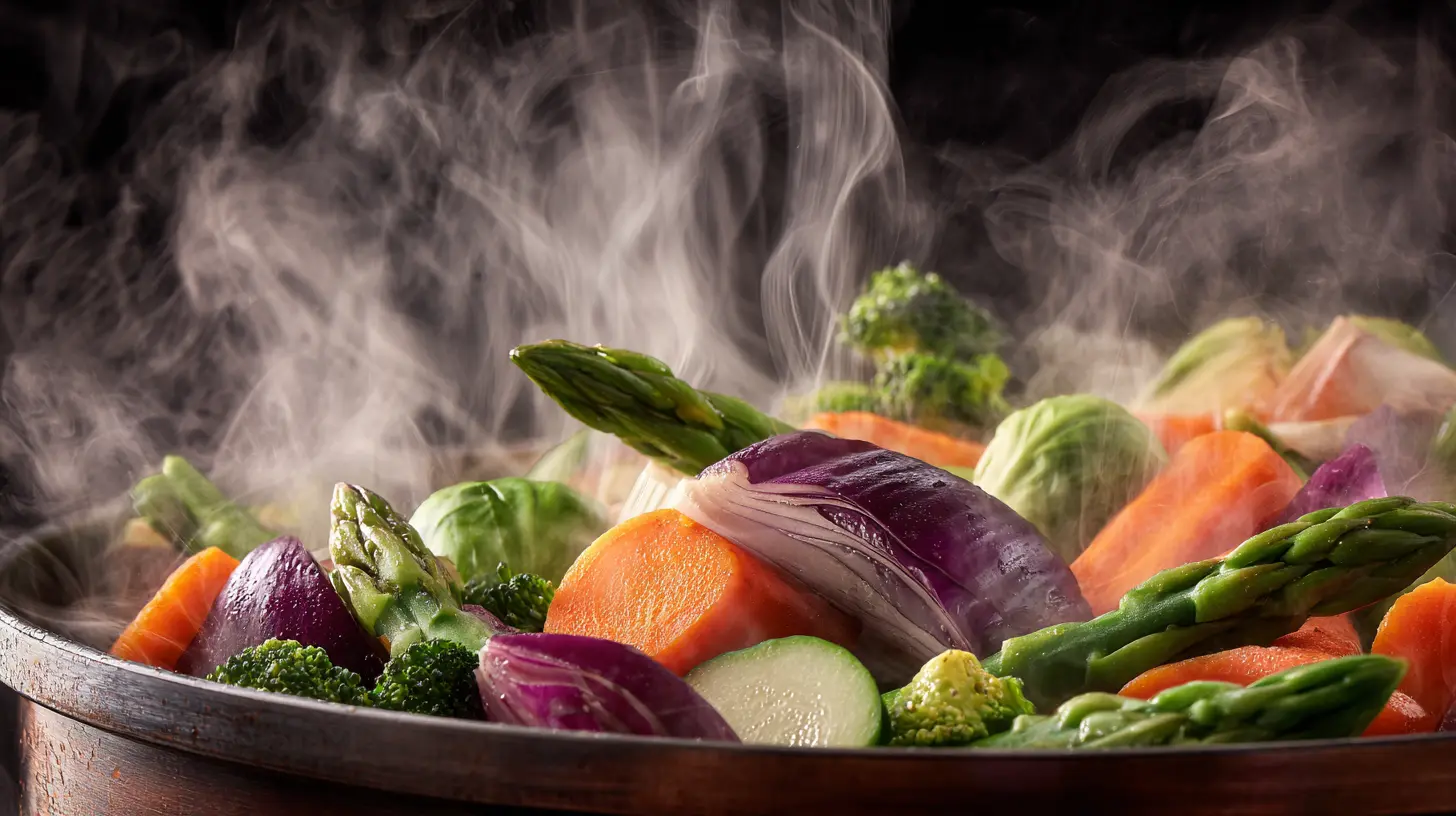
Vegetables That Don’t Steam: Technique Over Heat

- Why Vegetables Get Soggy
- How to Roast Vegetables the Right Way
- How to Roast Vegetables Evenly
- Why Roasted Vegetables Turn Soggy
- How to Brown Vegetables Properly
- How to Sauté Vegetables Without Steaming
- How to Sauté Vegetables Correctly
- Common Sautéing Mistakes
- How to Get Crispy Vegetables
- Vegetable Cooking Techniques That Actually Work
- Why Heat Alone Doesn’t Fix the Problem
- How to Cook Vegetables Consistently During Service
- Equipment That Helps Vegetables Brown Instead of Steam
- Common Vegetable Failures—and How to Fix Them
Vegetables are one of the most misunderstood items on the line. They’re blamed for being bland, soggy, or lifeless—yet the problem almost never comes down to seasoning or temperature alone. In most kitchens, vegetables fail because they’re cooked incorrectly from the very first step.
Understanding how to cook vegetables so they brown instead of steam requires a shift in mindset. It’s not about turning up the heat—it’s about managing moisture, surface contact, and spacing. Once chefs master these fundamentals, vegetables become crisp, flavorful, deeply browned, and just as crave-worthy as proteins.
This guide breaks down the real reasons vegetables steam instead of brown, and explains how to roast vegetables, how to sauté vegetables, and how to achieve crisp, caramelized results consistently.
Why Vegetables Get Soggy
Before fixing the problem, it’s important to understand why vegetables get soggy in the first place.
Vegetables contain a high percentage of water. When heat is applied, that water is released. If the moisture has nowhere to escape, it turns into steam—and steam prevents browning.
The most common causes of soggy vegetables are:
- overcrowding pans or sheet trays
- starting with wet vegetables
- using the wrong pan or surface
- insufficient airflow in the oven
- stirring or flipping too often
Steaming isn’t a temperature problem—it’s a moisture problem.
How to Cook Vegetables Without Steaming
If there’s one rule chefs should follow, it’s this:
Browning requires dry surfaces and space.
To learn how to cook vegetables without steaming, you must control moisture at every stage.
Core Principles:
- Dry vegetables thoroughly before cooking
- Use enough oil to promote surface contact
- Give vegetables space so steam can escape
- Avoid constant movement once they hit the heat
Once these are in place, browning becomes predictable.
How to Roast Vegetables the Right Way
Roasting is one of the best methods for deep flavor—when done correctly. Learning how to roast vegetables evenly requires more technique than most kitchens realize.
How to Roast Vegetables Evenly
To achieve even browning across all pieces:
- Cut vegetables into uniform sizes
- Preheat the oven fully (usually 425°F / 220°C)
- Use a heavy sheet pan, not thin trays
- Toss vegetables lightly in oil and seasoning
- Spread them in a single layer with space
This last step is critical. When vegetables overlap, steam becomes trapped and browning stops.
Why Roasted Vegetables Turn Soggy
Many cooks assume roasted vegetables fail because the oven isn’t hot enough. In reality, the most common reasons are:
- too many vegetables on one pan
- too much oil pooling at the bottom
- vegetables added while still wet
Mastering how to roast vegetables evenly means respecting airflow and surface exposure.
How to Brown Vegetables Properly
Browning is the result of the Maillard reaction and caramelization—both require dry heat and direct contact with a hot surface.
To understand how to brown vegetables, chefs must focus on what happens in the first 60 seconds of cooking.
Browning Rules:
- The pan must be hot before vegetables are added
- Oil should shimmer, not smoke
- Vegetables should sizzle immediately
- Leave them undisturbed long enough to form color
If vegetables don’t sizzle when added, they’ll steam instead of brown.
How to Sauté Vegetables Without Steaming
Sautéing is fast, efficient, and ideal for à la minute service—but it’s also where vegetables most often fail.
How to Sauté Vegetables Correctly
To master how to sauté vegetables:
- Preheat the pan thoroughly
- Add oil first, then vegetables
- Use a pan large enough for the batch
- Cook in batches if necessary
Overcrowding is the #1 reason sautéed vegetables steam. A pan that’s too small traps moisture instantly.
Common Sautéing Mistakes
- tossing constantly instead of letting vegetables sit
- adding salt too early (salt draws out water)
- mixing vegetables with different cook times
Each of these mistakes prevents proper browning.
How to Get Crispy Vegetables
Crispy vegetables require dehydration on the surface and heat penetration at the same time. Whether roasting or sautéing, the technique is similar.
To learn how to get crispy vegetables:
- dry vegetables completely
- coat lightly with oil (not dripping)
- cook at high heat
- allow moisture to escape
Certain vegetables crisp more easily than others. Root vegetables, Brussels sprouts, broccoli, and cauliflower respond especially well to proper technique.
Vegetable Cooking Techniques That Actually Work
Not all vegetable cooking techniques are equal. Some methods promote browning, while others encourage steaming.
Best Techniques for Browning:
- roasting
- sautéing
- pan-searing
- grilling
Techniques That Promote Steaming:
- boiling
- crowding sheet pans
- covered cooking
- low heat with high moisture
Choosing the correct method matters just as much as execution.
Why Heat Alone Doesn’t Fix the Problem
Many cooks respond to soggy vegetables by increasing heat. This often makes things worse.
Higher heat without moisture control leads to:
- burned surfaces
- raw interiors
- uneven cooking
Proper technique—not more heat—is the solution. Once moisture is controlled, moderate heat becomes more effective than extreme heat.
How to Cook Vegetables Consistently During Service
In busy kitchens, vegetables are often the first thing to suffer during rush. Consistency depends on preparation and sequencing.
Best Practices:
- pre-portion vegetables before service
- use dedicated pans or zones
- avoid mixing raw and cooked batches
- finish vegetables close to plating
These steps ensure vegetables retain texture and color through service.
Equipment That Helps Vegetables Brown Instead of Steam
While technique is primary, the right equipment supports success.
Heavy sheet pans promote even roasting. Wide sauté pans allow moisture to escape. Convection ovens improve airflow, helping vegetables brown evenly instead of steaming. Flat tops and planchas also provide consistent surface contact for browning large volumes of vegetables quickly.
Using the correct equipment reinforces proper technique and prevents moisture buildup.
Common Vegetable Failures—and How to Fix Them
| Problem | Cause | Fix |
|---|---|---|
| Soggy vegetables | Overcrowding | Use larger pans or cook in batches |
| Pale color | Pan not hot enough | Preheat thoroughly |
| Burned outside | Heat too high | Lower heat, improve spacing |
| Uneven cooking | Inconsistent cuts | Cut vegetables evenly |
Final Thoughts: Technique Beats Temperature
Vegetables don’t need extreme heat to taste great—they need space, dryness, and patience. Once chefs understand how to cook vegetables without steaming, the difference is immediate. Browning improves, textures sharpen, and flavors deepen naturally.
Whether you’re learning how to roast vegetables, how to sauté vegetables, or simply trying to avoid soggy results, the solution is the same: control moisture first, apply heat second.
Master that balance, and vegetables will never steam again.