How to Cook Starches So They Don’t Harden as They Cool
What are Starches
Starches are complex carbohydrates found in foods like rice, wheat, corn, and potatoes, and they serve as the primary energy storage for many plants. When starches are heated in the presence of water, their granules absorb moisture and swell—a process that creates the soft, tender textures we expect in cooked rice, pasta, and potatoes. As these foods cool, the starch molecules begin to realign and expel water, which is why improperly handled starches harden or dry out after cooking. Understanding this behavior is key to cooking starch-based foods that remain soft and appealing through holding, plating, and service.
Starches are deceptively simple. Rice, pasta, and potatoes appear forgiving, yet they’re some of the first foods to fail once they cool—turning stiff, dry, or grainy within minutes. The problem isn’t poor seasoning or overcooking; it’s how starch behaves after heat is removed.
To cook starches that stay tender, chefs must understand how to cook rice, how to cook pasta, and how to cook potatoes with cooling in mind—not just doneness. This guide explains what causes starches to harden, how to prevent it, and how to keep them soft through holding, plating, and service.
Why Starches Harden as They Cool
When starches cook, their granules absorb water and swell. As they cool, those granules begin to realign and expel moisture—a process responsible for rice stiffening, pasta drying out, and potatoes becoming dense.
This happens faster when:
- starches are underhydrated
- surface moisture evaporates too quickly
- food is exposed to dry heat after cooking
- starches are held uncovered or overheated
The goal isn’t just proper cooking—it’s controlled hydration and gentle cooling.
How to Cook Rice So It Stays Soft
Rice is one of the most common starches to harden quickly. Knowing how to cook rice perfectly requires attention to water ratio, heat, and resting.
How to Cook White Rice
For most kitchens, the foundation is how to cook white rice correctly:
- Rinse rice to remove excess surface starch
- Use a consistent water ratio (typically 1:1.5 to 1:2)
- Bring to a boil, then reduce to a gentle simmer
- Cover tightly and cook until water is absorbed
- Rest off heat for 5–10 minutes before fluffing
How Long Does Rice Take to Cook?
- How long does rice take to cook?
Most white rice takes 15–20 minutes, plus resting time.
Jasmine rice cooks slightly faster.
How to Cook Jasmine Rice Without Drying It Out
How to cook jasmine rice differs slightly due to its aromatic structure and lower starch content.
Best practices:
- Use slightly less water than long-grain rice
- Avoid overcooking—jasmine rice tightens quickly
- Rest covered after cooking to allow steam redistribution
Jasmine rice benefits greatly from proper resting, which helps keep rice soft once it cools slightly.
How to Keep Rice Soft After Cooking
Even perfectly cooked rice can harden if mishandled.
To keep rice soft:
- Fluff gently to release excess steam
- Hold covered at warm—not hot—temperatures
- Add small amounts of moisture if holding for extended periods
- Avoid spreading rice thinly unless cooling intentionally
Rice held too hot dries from the outside in; rice held too cool stiffens internally.
How to Cook Pasta Without It Drying Out
Pasta hardens for a different reason: surface dehydration. Learning how to cook pasta properly is only half the battle—how it’s handled afterward matters just as much.
How Long to Cook Pasta
- How long does pasta take to cook?
Most dried pasta takes 8–12 minutes depending on shape. - How long to cook pasta for al dente?
Cook until tender but firm at the center.
Always cook pasta in well-salted water to ensure proper hydration from the start.
How to Prevent Pasta From Hardening
Once drained, pasta begins losing moisture immediately.
To prevent this:
- Toss pasta with a small amount of oil or sauce
- Avoid rinsing unless pasta is being cooled intentionally
- Hold pasta lightly sauced, not dry
- Finish cooking in sauce whenever possible
Starches in pasta firm rapidly when exposed to air—coating is protection.
How Long Does Pasta Take to Cook in Service Conditions?
During service, pasta may cook slightly faster due to repeated boiling cycles.
Typical range:
- Fresh pasta: 2–4 minutes
- Dried pasta: 8–10 minutes
Undercooking slightly helps pasta finish without over-firming during holding.
How to Cook Potatoes So They Stay Tender
Potatoes are highly sensitive to temperature shifts and moisture loss. Knowing how to cook potatoes means choosing the right method for the intended hold time.
How to Cook Baked Potatoes
For how to cook baked potatoes properly:
- Bake at 400–425°F
- Avoid wrapping tightly during baking
- Allow steam to escape after cooking
Wrapping potatoes traps moisture early but can cause gumminess as they cool.
How to Cook Sweet Potatoes Without Hardening
How to cook sweet potatoes requires gentler handling due to higher sugar content.
Best practices:
- Roast until fully tender, not just soft
- Avoid high, aggressive heat at the end
- Hold covered to prevent surface dehydration
Sweet potatoes harden when sugars crystallize during cooling—controlled heat prevents this.
Why Potatoes Get Hard After Cooking
Potatoes stiffen when:
- moisture evaporates too quickly
- starches retrograde during cooling
- potatoes are reheated aggressively
Mashing or saucing potatoes helps maintain softness by redistributing moisture.
Timing Matters More Than Temperature
One of the biggest mistakes kitchens make is focusing only on heat. Starches are time-sensitive.
Problems occur when:
- rice sits uncovered too long
- pasta is drained too early
- potatoes are held dry
Managing when starches are cooked and how long they sit before service is critical.
The Role of Resting and Holding
Resting isn’t just for proteins. Starches benefit from short resting periods that allow moisture to equalize.
Key tips:
- Rest rice before fluffing
- Hold pasta lightly sauced
- Keep potatoes covered but ventilated
Balanced holding preserves structure without encouraging dryness.
Reheating Without Hardening
Improper reheating is a major cause of starch failure.
Best reheating practices:
- Add moisture before reheating
- Use gentle, even heat
- Avoid high direct heat
Steam works better than dry heat for reviving starches without toughness.
Designing Dishes That Tolerate Cooling
Some starches are more forgiving than others.
Better options for holding:
- rice pilafs over plain rice
- sauced pasta over naked noodles
- mashed or smashed potatoes over whole
These preparations trap moisture and resist hardening.
The Role of Commercial Kitchen Equipment in Starch Texture
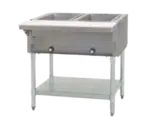
Commercial kitchen equipment plays a major role in how starches behave after cooking, especially during holding and service. Rice cookers with proper moisture retention help prevent rice from drying out, while steam tables and holding cabinets keep pasta and potatoes warm without exposing them to harsh, dry heat. Convection ovens, when used carefully, allow even reheating with less surface dehydration, and hotel pans with fitted lids help retain moisture during short holding periods. When starches harden repeatedly, the issue is often not the recipe—but whether the equipment supports gentle heat and controlled humidity once cooking is complete.
Final Thoughts: Cook Starches With Cooling in Mind
Understanding how to cook rice, how to cook pasta, and how to cook potatoes isn’t enough if cooling isn’t considered. Starches don’t fail because they’re cooked wrong—they fail because they’re allowed to dry out or cool too aggressively.
By controlling hydration, timing, and holding conditions, chefs can keep rice soft, prevent pasta from stiffening, and maintain potato texture long after cooking stops.
Cook for the plate—but plan for the minutes after the heat is gone.