What Cooking Equipment Do You Actually Need for Your Menu?

- Quick Answer: What Cooking Equipment Do You Actually Need?
- Equipment Needed for a Pizza Restaurant
- Equipment for Fast Food Restaurants
- Equipment for Cafés and Coffee Shops
- Equipment for Full-Service Restaurants
- Equipment for Small Restaurants
- How to Choose the Right Equipment
- How Equipment Impacts Kitchen Workflow and Speed
- How to Scale Your Equipment as Your Restaurant Grows
- FAQ
Choosing the right restaurant equipment isn’t just about filling your kitchen — it’s about building a system that supports your menu, workflow, and profitability. A well-planned restaurant equipment list ensures your kitchen runs efficiently, while a poorly planned one leads to wasted money, slow service, and operational headaches.
Every concept — from a café to a high-volume kitchen — requires a different mix of commercial kitchen equipment. The key is to focus on what your menu actually demands instead of buying everything at once.
This guide breaks down the equipment needed to start a restaurant, shows how to tailor your restaurant kitchen equipment list to your menu, and helps you avoid costly mistakes.
Quick Answer: What Cooking Equipment Do You Actually Need?
The equipment you need depends on your menu:
- Pizza → ovens, prep tables, mixers
- Fast food → fryers, griddles, holding equipment
- Café → espresso machines, light ovens
- Full-service → ranges, ovens, grills
👉 The rule is simple:
Buy equipment that directly supports your top-selling menu items.
Why Your Menu Should Define Your Equipment
Before building a commercial kitchen equipment list, finalize your menu.
Your menu determines:
- cooking methods (frying, baking, grilling)
- required equipment types
- kitchen layout and workflow
For example:
- A pizzeria needs dough handling and baking equipment
- A burger concept depends on griddles and fryers
- A café focuses on beverage and light prep equipment
👉 Buying equipment before defining your menu is one of the most expensive mistakes.
Equipment Needed for a Pizza Restaurant
Pizza kitchens are built around speed, consistency, and dough workflow.
Core Equipment
- pizza oven (deck, conveyor, or wood-fired)
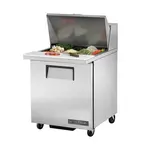
- pizza prep table
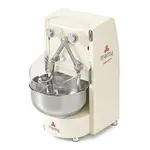
- dough mixer
- dough proofing trays
These are essential because they directly impact production speed and product quality.
Supporting Equipment
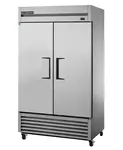
- reach-in refrigerator
- ingredient bins
- prep tools
Workflow Insight
Pizza kitchens rely on a linear workflow:
dough → prep → topping → oven → service
👉 This means your prep table and oven placement matter more than the number of tools you have.
Equipment for Fast Food Restaurants
Fast food kitchens prioritize speed, consistency, and high output.
Core Equipment
- commercial fryer
- flat-top griddle
- heat lamps or holding cabinets
These allow you to produce large quantities quickly.
Supporting Equipment
- undercounter refrigeration
- prep stations
- small appliances
Workflow Insight
Fast food kitchens are built around parallel production, meaning multiple items are prepared simultaneously.
👉 Equipment must support speed, not complexity.
Equipment for Cafés and Coffee Shops
Cafés focus more on beverages and light food preparation.
Core Equipment
- espresso machine
- coffee grinders
- small convection oven
Supporting Equipment
- display refrigeration
- undercounter refrigerator
- prep tables
Workflow Insight
In cafés, the bottleneck is usually drink preparation, not cooking.
👉 Investing in a high-quality espresso machine is more important than adding extra cooking equipment.
Equipment for Full-Service Restaurants
Full-service kitchens require versatility to handle a wide menu.
Core Equipment
- commercial range
- convection oven
- charbroiler or grill
- fryer
Supporting Equipment
- prep tables
- refrigeration systems
- food processors
Workflow Insight
These kitchens need flexible equipment that supports multiple cooking methods.
👉 Over-specialized equipment can slow down operations.
Equipment for Small Restaurants
When space and budget are limited, efficiency becomes critical.
Must-Have Equipment
- compact range or griddle
- undercounter refrigerator
- multi-use prep table
Smart Choices
- combi ovens (multi-function)
- compact equipment
- stackable solutions
👉 Small kitchens benefit most from multi-functional equipment.
Complete Commercial Kitchen Equipment List
Every restaurant needs a core set of equipment categories.
Cooking Equipment
- ovens
- ranges
- fryers
- grills
Refrigeration
- reach-in refrigerators
- freezers
- prep tables
Prep Equipment
- mixers
- slicers
- cutting boards
Cleaning Equipment
- dishwashers
- sinks
- sanitation tools
👉 This forms the foundation of any restaurant kitchen equipment list.
What Equipment Can You Skip (At First)
This is where most restaurants overspend.
Often Overbought Equipment
- display refrigerators
- extra prep stations
- specialty appliances
Why You Can Delay These
- they don’t generate immediate revenue
- they don’t impact core operations
- they can be added later
👉 Focus on opening first — optimizing comes later.
Sample Equipment Setups by Concept
Small Café Setup
- espresso machine
- grinder
- small oven
- undercounter refrigerator
👉 Minimal cooking, beverage-focused.
Fast Food Setup
- fryer
- griddle
- prep station
- refrigeration
👉 Built for speed and volume.
Pizzeria Setup
- pizza oven
- prep table
- dough mixer
- refrigeration
👉 Workflow efficiency is key.
👉 These setups show how equipment changes based on menu.
How to Choose the Right Equipment
1. Focus on Revenue Drivers
Ask:
👉 What equipment produces your main dishes?
2. Consider Volume
Higher volume requires:
- more durable equipment
- faster recovery times
- larger capacity
3. Think About Workflow
Poor layout can slow down even the best kitchen.
👉 Efficiency matters more than quantity.
Restaurant Equipment Cost Breakdown
Understanding restaurant equipment cost helps you plan smarter.
Typical Costs
- small restaurant → $50,000 – $100,000
- mid-size → $100,000 – $250,000
- large → $250,000+
Where to Invest First
- cooking equipment
- refrigeration
👉 These directly impact your ability to operate.
Hidden Costs
Don’t forget:
- installation
- ventilation
- electrical upgrades
👉 These can add 20–30% to your total cost.
Common Mistakes to Avoid
Buying Equipment You Don’t Need
Leads to wasted budget and clutter.
Ignoring Workflow
Even expensive equipment won’t fix bad layout.
Overestimating Capacity
Leads to unnecessary spending.
Underestimating Demand
Leads to bottlenecks during peak hours.
What Should You Actually Do?
If you’re unsure:
👉 Build your restaurant equipment checklist around your top 5 menu items.
Example:
If your focus is burgers:
- griddle → essential
- fryer → essential
- oven → optional
👉 This simplifies decisions and reduces cost.
How Equipment Impacts Kitchen Workflow and Speed
Choosing the right restaurant equipment is not only about functionality — it directly affects how fast your kitchen operates. Even the best chefs will struggle in a poorly equipped kitchen, while the right setup can significantly improve efficiency and output.
In a well-designed kitchen, equipment is arranged to minimize movement. For example, prep stations should be located near refrigeration, and cooking equipment should be positioned close to plating and service areas. This reduces unnecessary steps and helps staff work faster during peak hours.
Poor equipment planning leads to:
- longer ticket times
- staff congestion
- inefficient movement
- slower service
On the other hand, a properly equipped kitchen creates a smooth workflow where each station supports the next. This is especially important in high-volume environments where speed directly impacts revenue.
👉 The goal is not to have more equipment, but to have the right equipment in the right place.
How to Scale Your Equipment as Your Restaurant Grows
One of the smartest strategies when building a commercial kitchen equipment list is planning for future growth without overspending at the start.
Many successful restaurants begin with a minimal setup and expand their equipment over time based on demand. Instead of investing heavily upfront, they monitor which parts of the kitchen become bottlenecks and upgrade those areas first.
Signs You Need to Upgrade Equipment
- consistent delays during peak hours
- staff waiting to use the same equipment
- limited storage capacity
- inability to meet demand
Smart Scaling Strategy
- start with essential equipment only
- track kitchen performance
- upgrade high-usage equipment first
- add specialized tools later
👉 This approach reduces risk and ensures every investment is based on real operational needs rather than assumptions.
Restaurant Equipment Prices: What Drives Cost Differences?
Not all equipment is priced equally, and understanding what drives restaurant equipment prices helps you make smarter decisions.
Key Factors That Affect Price
1. Build Quality
Higher-end equipment uses thicker stainless steel, better insulation, and stronger components, which increases durability and lifespan.
2. Brand Reputation
Well-known brands often cost more but offer better reliability, warranties, and long-term performance.
3. Features and Technology
Advanced features like digital controls, energy-efficient systems, and improved airflow increase price but may reduce operating costs over time.
4. Size and Capacity
Larger equipment naturally costs more, but also supports higher volume and better efficiency.
Budget vs Premium Equipment
- budget equipment → lower upfront cost, shorter lifespan
- premium equipment → higher upfront cost, better long-term value
👉 The best choice is not always the cheapest — it’s the one that delivers the best return over time.
FAQ
What equipment is needed to start a restaurant?
Cooking equipment, refrigeration, prep tools, and sanitation equipment are essential.
How do I choose restaurant equipment based on my menu?
Identify your main dishes and choose equipment that supports those cooking methods.
What is the most important kitchen equipment?
It depends on your menu, but usually cooking equipment like ranges, ovens, or fryers.
Final Thoughts
Your restaurant equipment list should never be generic — it should be built around your menu, workflow, and budget.
The best kitchens aren’t the most expensive — they’re the most efficient.
👉 Focus on what you need now, scale later, and build your kitchen strategically.