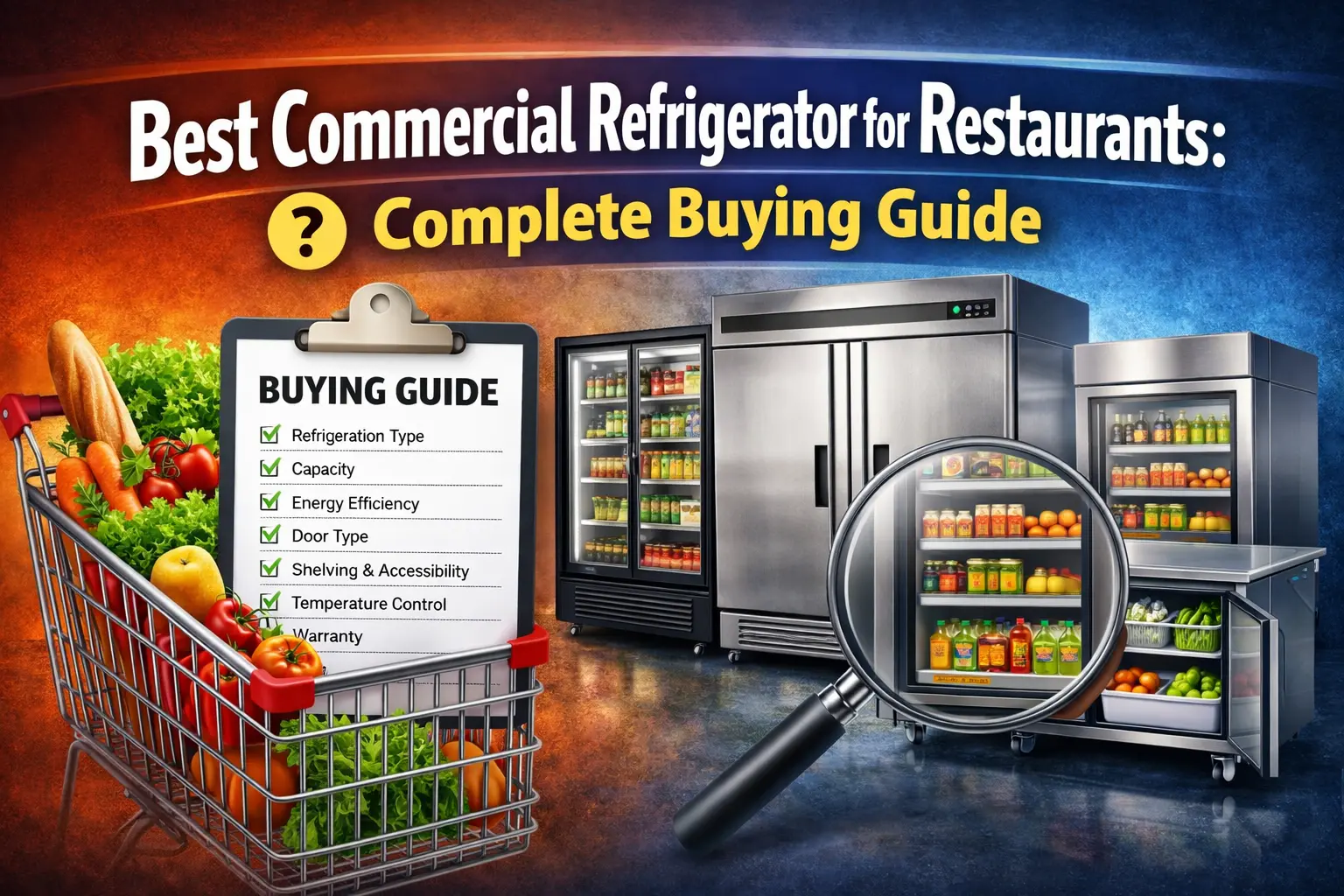
Best Commercial Refrigerator for Restaurants: How to Choose the Right Restaurant Refrigerator

- Quick Answer: What Is the Best Commercial Refrigerator?
- Commercial Refrigerator Comparison (Quick Overview)
- Types of Commercial Refrigerators
- Reach-In vs Undercounter Refrigerator
- Best Commercial Refrigerator by Use Case
- How to Choose the Right Commercial Refrigerator
- Commercial Refrigerator Size Guide
- Glass Door vs Solid Door Refrigerators
- Best Commercial Refrigerator Brands
- Budget: How Much Does a Commercial Refrigerator Cost?
- Common Buying Mistakes
- What Should You Actually Choose?
- Commercial Refrigerator Configurations: Doors vs Drawers vs Combos
- Top-Mounted vs Bottom-Mounted Compressors
- Energy Efficiency: What Actually Saves Money?
- How Many Refrigerators Does a Restaurant Need?
- Where Refrigerators Fit in Your Kitchen Workflow
- Maintenance Tips to Extend Refrigerator Life
- What Features Actually Matter in a Commercial Refrigerator
- Commercial Refrigerator Capacity: How Much Do You Actually Need?
- Single Door vs Double Door vs Three Door Refrigerators
- FAQ
A commercial refrigerator is one of the most critical investments in any restaurant kitchen. It directly affects food safety, ingredient freshness, kitchen workflow, and daily operations. As a core part of your overall commercial kitchen equipment, refrigeration plays a central role in keeping your operation efficient, organized, and compliant with food safety standards.
Choosing the wrong unit can lead to spoiled inventory, inefficient workflows, and unnecessary energy costs. That’s why selecting the best commercial refrigerator for your restaurant isn’t just about price — it’s about choosing the right type, size, and configuration for your operation.
This guide will help you understand the different types of commercial refrigerators, compare options, and confidently choose the best solution for your kitchen.
Quick Answer: What Is the Best Commercial Refrigerator?
The best commercial refrigerator depends on your restaurant type:
- Small kitchens → undercounter refrigerator
- Standard restaurants → reach-in refrigerator
- High-volume kitchens → multiple reach-ins or walk-ins
- Prep-focused kitchens → worktop refrigerator
👉 For most restaurants, a 2-door reach-in commercial refrigerator offers the best balance of capacity, efficiency, and cost.
Commercial Refrigerator Comparison (Quick Overview)
| Type | Best For | Capacity | Pros | Cons |
|---|---|---|---|---|
| Reach-In Refrigerator | Most restaurants | Medium–High | Versatile, high storage | Takes more space |
| Undercounter Refrigerator | Small kitchens, bars | Low–Medium | Compact, space-saving | Limited capacity |
| Worktop Refrigerator | Prep stations | Medium | Dual-use (storage + prep) | Less vertical storage |
| Glass Door Refrigerator | Retail, display | Medium | Visibility, merchandising | Less insulation |
Types of Commercial Refrigerators
Understanding your options is the first step in choosing the right unit.
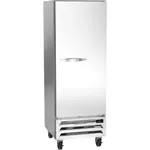
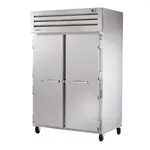
Reach-In Refrigerators
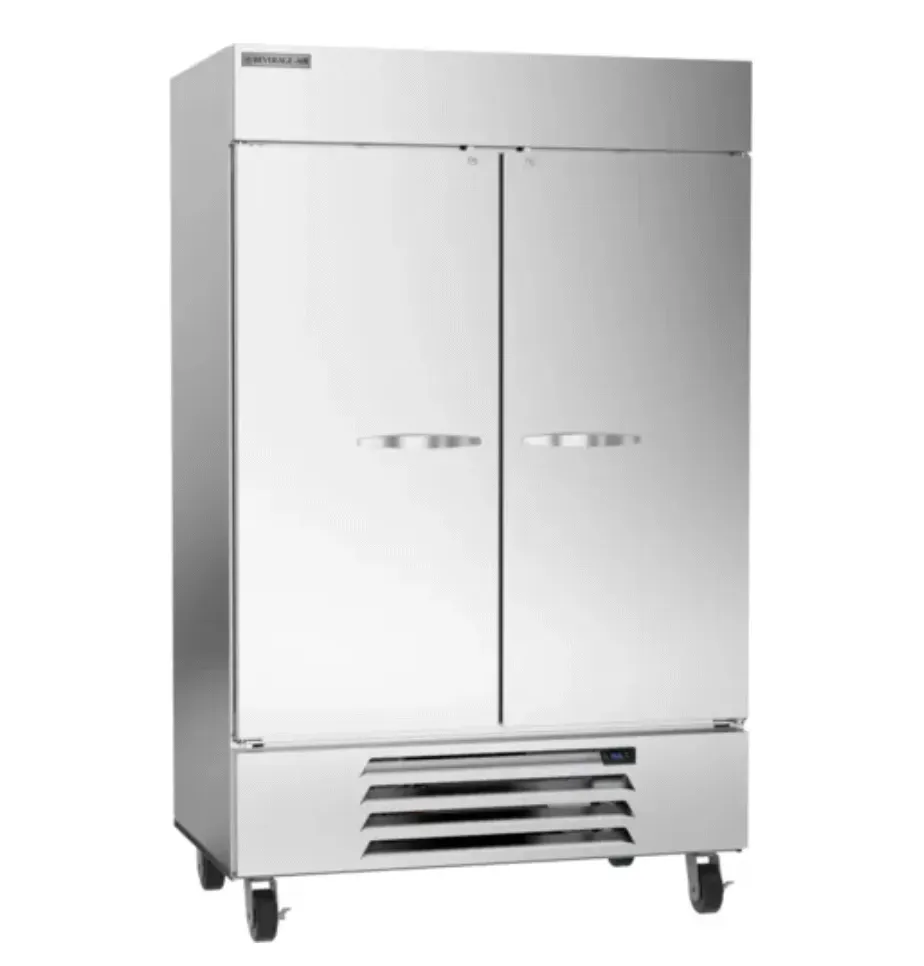
The most common restaurant refrigerator.
- available in 1, 2, or 3-door models
- large vertical storage
- ideal for general kitchen use
👉 Best for most restaurants.
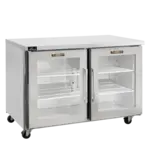
Undercounter Refrigerators
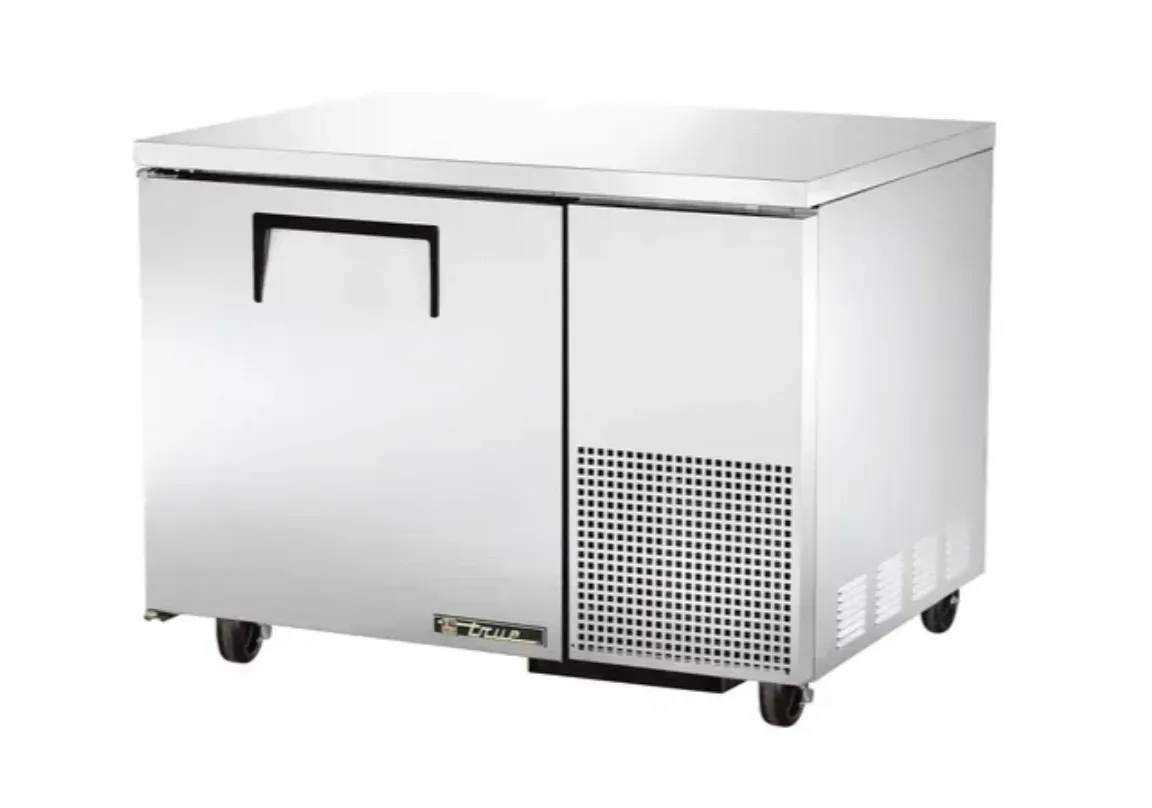
Compact and space-efficient.
- fits under counters
- easy access during service
- ideal for bars and small kitchens
👉 Perfect for limited space environments.
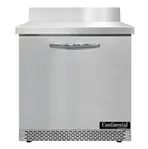
Worktop Refrigerators
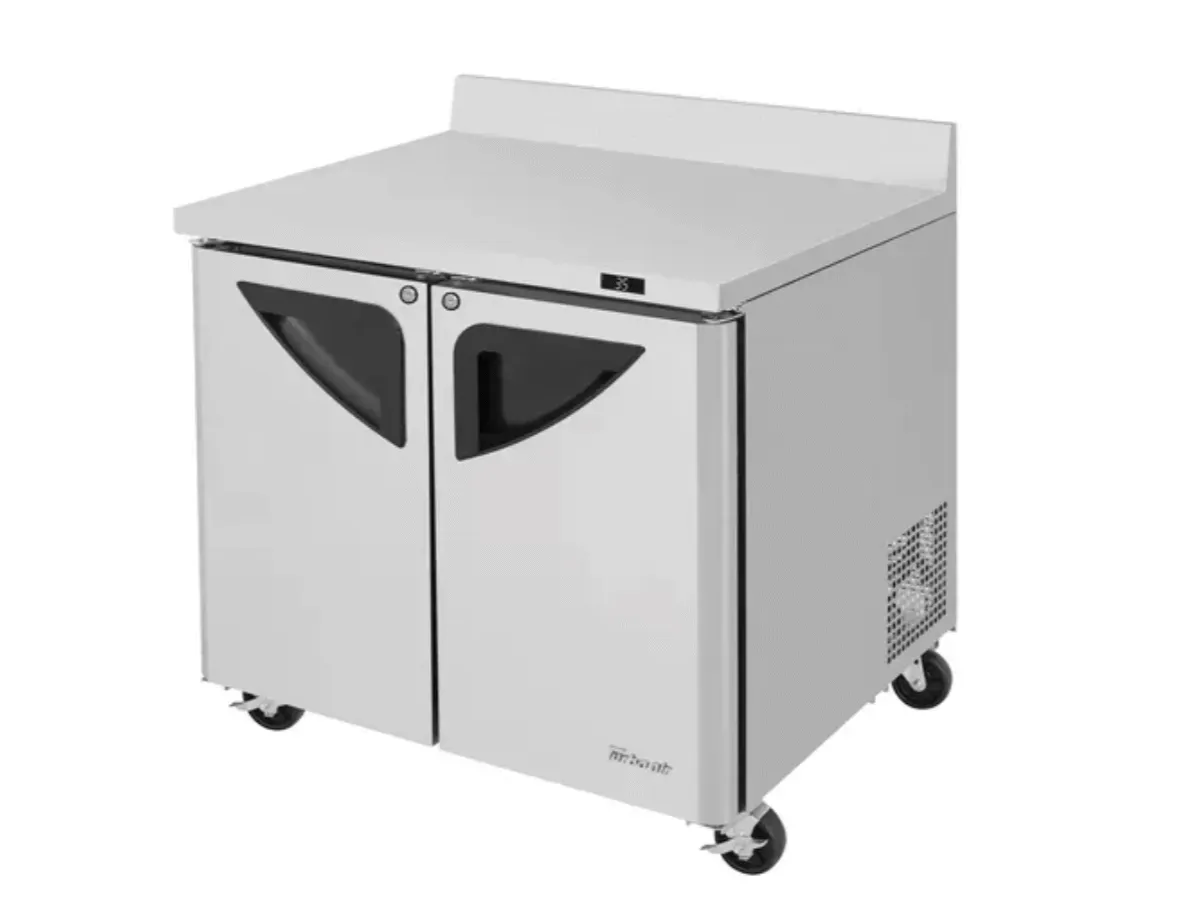
Combine prep space and refrigeration.
- stainless steel work surface
- refrigerated base
- improves workflow efficiency
👉 Ideal for prep-heavy kitchens.
Glass Door Refrigerators
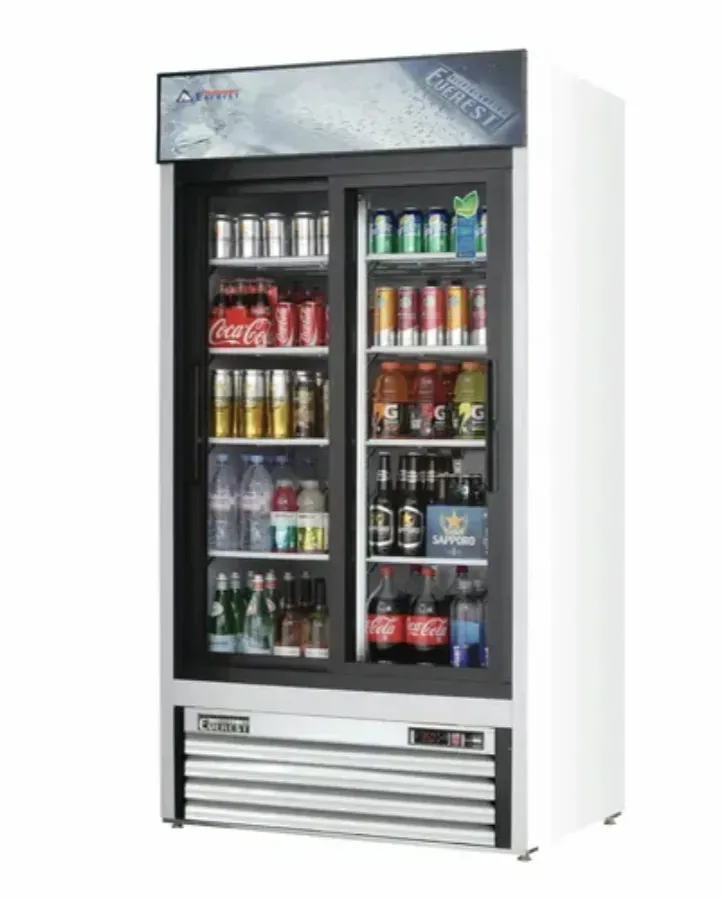
Designed for visibility.
- used in front-of-house
- great for beverages and displays
👉 Best for cafés and retail environments.
Reach-In vs Undercounter Refrigerator
| Feature | Reach-In | Undercounter |
|---|---|---|
| Capacity | High | Low–Medium |
| Space | Requires floor space | Fits under counter |
| Best For | Storage | Quick access |
👉 Most kitchens use both types together.
Best Commercial Refrigerator by Use Case
Best for Small Restaurants
- undercounter refrigerator
- compact design
- efficient for limited space
Best for Standard Restaurants
- 2-door reach-in refrigerator
- balanced capacity
- versatile storage
Best for High-Volume Kitchens
- multiple reach-ins
- or walk-in systems
- high capacity
Best for Prep Stations
- worktop refrigerator
- improves workflow
- reduces movement
How to Choose the Right Commercial Refrigerator
Focus on these 3 key factors:
1. Capacity
Ask:
- how much food do you store daily?
👉 Always choose slightly larger than needed.
2. Space
Measure:
- available floor space
- clearance for doors
3. Workflow
Place refrigerators:
- near prep stations
- near cooking areas
👉 Good placement improves efficiency.
Commercial Refrigerator Size Guide
| Restaurant Type | Recommended Type | Size |
|---|---|---|
| Small Kitchen | Undercounter | 27"–48" |
| Medium Restaurant | Reach-In | 2-door |
| High Volume | Multiple Reach-Ins | 3-door+ |
Glass Door vs Solid Door Refrigerators
- Glass door → visibility, merchandising
- Solid door → better insulation, efficiency
👉 Kitchens should prioritize solid door units.
Best Commercial Refrigerator Brands
- True Refrigeration → premium quality
- Turbo Air → energy-efficient
- Beverage-Air → reliable mid-range
- Victory Refrigeration → heavy-duty performance
- Blue Air → strong value
Budget: How Much Does a Commercial Refrigerator Cost?
- Undercounter → $1,200 – $4,000
- Reach-in → $3,000 – $10,000+
- Worktop → $2,500 – $6,000
👉 Invest based on usage, not just price.
Common Buying Mistakes
- buying too small
- ignoring airflow
- poor placement
- choosing wrong type
What Should You Actually Choose?
If unsure:
- small kitchen → undercounter
- standard restaurant → 2-door reach-in
- high volume → multiple units
👉 This covers most use cases.
Commercial Refrigerator Configurations: Doors vs Drawers vs Combos
Not all commercial refrigerators use standard hinged doors. Choosing the right configuration can significantly improve kitchen efficiency.
Door Refrigerators
- most common configuration
- flexible storage
- lower cost
👉 Best for general-purpose kitchens
Drawer Refrigerators
- faster access during service
- better organization
- minimizes cold air loss
👉 Ideal for high-volume kitchens and prep stations
Refrigerator-Freezer Combos
- dual temperature zones
- saves space
- reduces need for separate units
👉 Best for small kitchens with limited space
💡 Pro Tip: If your kitchen prioritizes speed, drawer units often outperform traditional door models during peak hours.
Top-Mounted vs Bottom-Mounted Compressors
This is one of the most overlooked buying factors — but it directly affects performance and maintenance.
Top-Mounted Compressor
- better in cooler environments
- less exposure to dirt and grease
- easier maintenance
👉 Best for hot kitchens and heavy-use environments
Bottom-Mounted Compressor
- easier access for staff
- more ergonomic loading
- better in cooler kitchens
👉 Ideal for prep areas and lighter use
💡 In most commercial kitchens, top-mounted compressors perform better long-term.
Energy Efficiency: What Actually Saves Money?
Energy costs can add up quickly in a restaurant. Choosing an efficient commercial refrigerator reduces long-term expenses.
What to Look For:
- ENERGY STAR certification
- high-quality insulation
- efficient compressors
- tight door seals
Why It Matters:
A more efficient unit can save hundreds of dollars per year in energy costs.
👉 Over 5 years, this can outweigh the initial price difference.
How Many Refrigerators Does a Restaurant Need?
Many operators underestimate how much refrigeration they actually need.
Typical Setup:
- 1 main reach-in refrigerator
- 1 prep or worktop unit
- optional undercounter unit for service areas
High-Volume Kitchens:
- multiple reach-ins
- separate units for different stations
👉 Splitting refrigeration improves:
- workflow
- organization
- temperature consistency
Where Refrigerators Fit in Your Kitchen Workflow
Refrigeration isn’t just storage — it’s part of your kitchen system.
Best Placement Strategy:
- near prep stations → faster access
- near cooking line → reduced movement
- separate zones → avoid congestion
Bad Placement Causes:
- slower service
- staff bottlenecks
- unnecessary walking
👉 The right layout can improve efficiency more than upgrading equipment.
Maintenance Tips to Extend Refrigerator Life
A commercial refrigerator is a long-term investment — but only if it’s maintained properly.
Key Maintenance Tasks:
- clean condenser coils regularly
- check door seals
- avoid overloading
- maintain airflow clearance
What Happens Without Maintenance:
- higher energy costs
- temperature instability
- shorter lifespan
👉 Regular maintenance can extend your refrigerator’s life by several years.
What Features Actually Matter in a Commercial Refrigerator
Most buying guides list features, but not all of them actually impact performance in a real kitchen. Understanding which features matter helps you avoid overpaying and choose equipment that supports daily operations.
Temperature Stability
Consistent temperature is one of the most critical factors in a commercial refrigerator.
- prevents food spoilage
- maintains food safety compliance
- ensures consistent ingredient quality
Look for units that maintain temperatures between 33°F and 40°F even with frequent door openings.
Airflow System
Commercial refrigerators rely on forced-air systems to distribute cold air evenly.
- prevents hot spots
- ensures uniform cooling
- improves recovery time
👉 Poor airflow leads to uneven cooling and wasted inventory.
Build Quality
Most commercial refrigerators are made of stainless steel, but quality varies significantly.
- thicker steel = better durability
- reinforced doors = longer lifespan
- heavy-duty hinges = fewer repairs
👉 High-quality construction reduces long-term maintenance costs.
Door Seals and Insulation
Door gaskets play a major role in energy efficiency.
- tight seals prevent cold air loss
- good insulation reduces compressor strain
- improves temperature consistency
👉 Worn seals are one of the most common causes of inefficiency.
Shelving and Storage Flexibility
Adjustable shelving improves usability.
- accommodates different container sizes
- improves organization
- increases usable space
👉 Flexibility is more important than raw capacity.
Commercial Refrigerator Capacity: How Much Do You Actually Need?
Choosing the right capacity is not just about size — it’s about matching your storage needs to your daily operations. As one of the most essential pieces of restaurant equipment, your refrigerator should be sized to handle both current demand and future growth without compromising performance.
Small Restaurants
- limited menu
- fewer ingredients
- lower volume
👉 Typically require 20–40 cubic feet of refrigeration.
Medium Restaurants
- moderate menu complexity
- higher ingredient turnover
👉 Usually need 40–70 cubic feet.
High-Volume Kitchens
- large menus
- high inventory turnover
- multiple prep stations
👉 Require 70+ cubic feet or multiple units.
Why Oversizing Is Better Than Undersizing
Undersized refrigerators lead to:
- overcrowding
- poor airflow
- inconsistent temperatures
👉 Choosing slightly larger capacity ensures better performance and flexibility.
Single Door vs Double Door vs Three Door Refrigerators
Choosing the right configuration affects both storage and workflow.
Single Door Units
- compact
- affordable
- limited capacity
👉 Best for small kitchens or secondary storage.
Double Door Units (MOST COMMON)
- balanced capacity
- efficient organization
- fits most kitchens
👉 The best choice for most restaurants.
Three Door Units
- maximum storage
- ideal for high-volume operations
- supports multiple staff
👉 Best for busy kitchens with large inventory needs.
FAQ
What is a commercial refrigerator?
A heavy-duty refrigeration unit designed for storing food in restaurants and commercial kitchens.
What size commercial refrigerator do I need?
Most restaurants need a 2-door reach-in refrigerator.
What is the difference between commercial and residential refrigerators?
Commercial units are more powerful, durable, and designed for continuous use.
How long does a commercial refrigerator last?
Typically 5–10 years, depending on usage and maintenance.
Final Thoughts
The best commercial refrigerator for restaurants is one that fits your workflow, capacity needs, and kitchen layout.
Choosing the right unit improves:
- efficiency
- food safety
- overall kitchen performance
👉 It’s one of the most important investments you’ll make.